



Hello hello!
Last week, we covered one of the key themes we saw at the Summer Fancy Food Show: that real sugar is back. This was an especially interesting (and perhaps, slightly primed) observation for us because, admittedly, we’ve been knee-deep in sugar talk.
At the beginning of the year, our incredible intern Natalie, a then-senior at Harvard, ran a survey on sugar and sweeteners, reaching 250 of her college-aged peers. We learned a lot about how this population (mostly bicoastal, highly-educated, Gen Z) thought about sweetening their CPGs… which made us especially curious how the rest of the country felt. So, we teamed up with Pogo, a consumer loyalty app that rewards users for sharing transaction data and insights on verified purchases.
With Pogo, we ran the same survey on 500+ more individuals across the country, reflecting the general population’s preferences and behavior around sugar and sweeteners. Spoiler alert: the results were not what we were expecting.
If you’re curious about…
The categories where consumers scrutinize sugar content the most
Which factors most influence consumers’ opinions about sugar
Whether consumers are more likely to buy a naturally-sweetened product with 5g of sugar or an artificially-sweetened product zero sugar
The sweeteners shoppers feel best about consuming
… you’ll want to check this out. While this is a relatively small sample size (our biggest disclaimer!), the overall takeaways, as well as the contrasts between the two surveyed populations, are fascinating for anyone building, operating, or investing in food or beverage products right now.
Check out our State of Sugar report for free here!
And if you’re looking for data on consumer behavior and preferences from real, verified shoppers, you have to check out Pogo—book a demo to see how it could work for your brand!
Now, let’s get into the news of the week →
CPG & Consumer Goods
THC brands are going to zero. This week, two ready-to-drink, low-dose hemp-derived THC beverage brands made pivots into the weed-free:
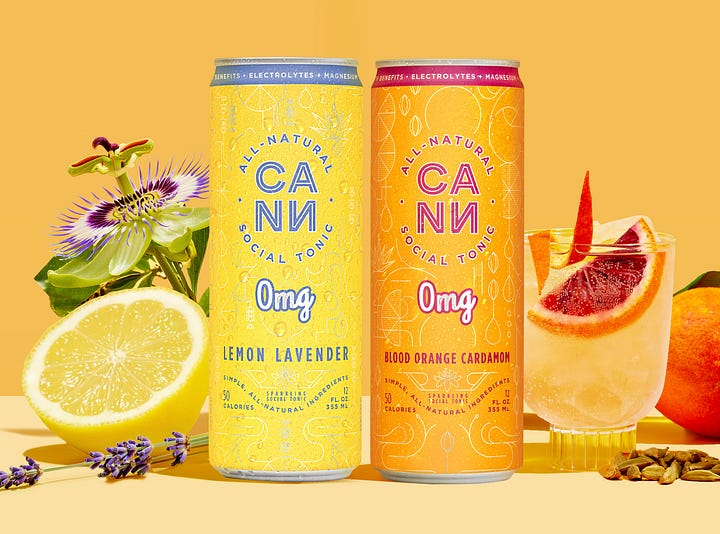
Cann launched its first ever zero-THC line, “0MG,” (get it?) in Blood Orange Cardamom and Lemon Lavender, formulated with magnesium, L-theanine, electrolytes, and passion flower. It’s available on drinkcann.com now with in-store rollout beginning in August.
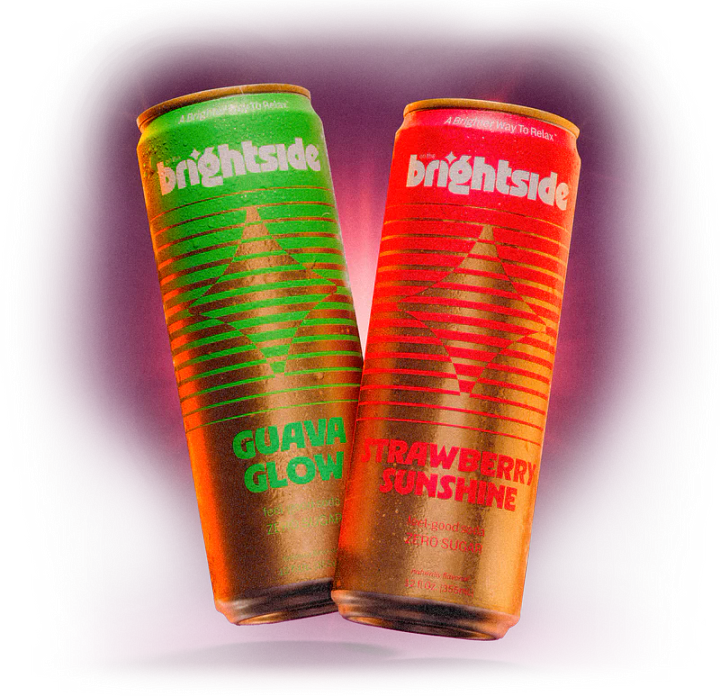
Meanwhile, the founders of Cantrip—the THC seltzer and soda brand that’s been one of the category’s breakout players since 2020—launched On the Brightside, a “feel-good soda” debuting in Strawberry Sunshine and Guava Glow, operating as a fully separate brand under a new company, Brighter Beverages. Instead of THC, it’s built around a single ingredient: Zembrin, a kanna extract that promises calm, clarity, and social ease that most people reportedly feel within 20 minutes.
(Side note: we have a feeling kanna will soon take off as a functional ingredient. Unlike adaptogens or supplements like magnesium, kanna can be felt more acutely. When consumers grow increasingly skeptical over functionality, they’ll continue reaching for ingredients that offer immediate gratification. Watch this space.)
So, why are all these THC OGs pivoting away from the substance? Well, in part, it’s a strategic backup plan for an impending ban. For those who missed it: Congress slipped a provision into the government funding bill last November that effectively bans intoxicating hemp products—the same loophole that made THC beverages legal in the first place. Starting November 12, 2026, any hemp-derived product with more than 0.4mg of total THC per container is federally unlawful, which would wipe out roughly 95% of products on the market today. There are bills floating around to delay or replace the ban, but nothing has passed, and the clock is running out. We broke down the whole mess here.
These brands spent years building awareness and shelf space, and now they’re hedging their bets, stripping out the THC so the brand survives even if the category fully doesn’t. We recently sat down with Jake Bullock, co-founder of Cann, to learn more about the move. Keep an eye out for that interview later this week—it’s chock full of insights!
It’s also worth noting that both launches still emphasize some function. For Cann, it’s about leaning hard into calm—magnesium, L-theanine, mindfulness—something we’ve been seeing works for brands like Recess and TRIP (we broke down why everyone is seeking calm HERE). For Cantrip/On the Brightside, that function is social lubrication with kanna, which is currently unscheduled as a “traditional herbal remedy.”
One of the most interesting things here is how the brands are approaching this in structurally opposite ways: Cann is building 0MG inside the house: same name, same flavor language, same brand equity, just with the THC swapped for magnesium and L-theanine. The bet is that people were buying Cann for the ritual and the vibe, and the buzz was almost incidental—so the brand can carry a zero-dose line on its own name. Cantrip’s founders took the opposite path, spinning On the Brightside into a brand-new company (Brighter Beverages) with a different name, different flavors, and no visible tie back to the mothership. That bet is that Cantrip’s equity was the THC, and a THC-free product needs a clean slate to stand on—plus a separate entity conveniently puts legal and reputational distance between the old category and the new one.
We’re getting a rare natural experiment: the same category hurdle, with two founders making opposite calls on whether the brand or the function was the actual asset. Either way, we’ll finally learn what these consumers were buying.


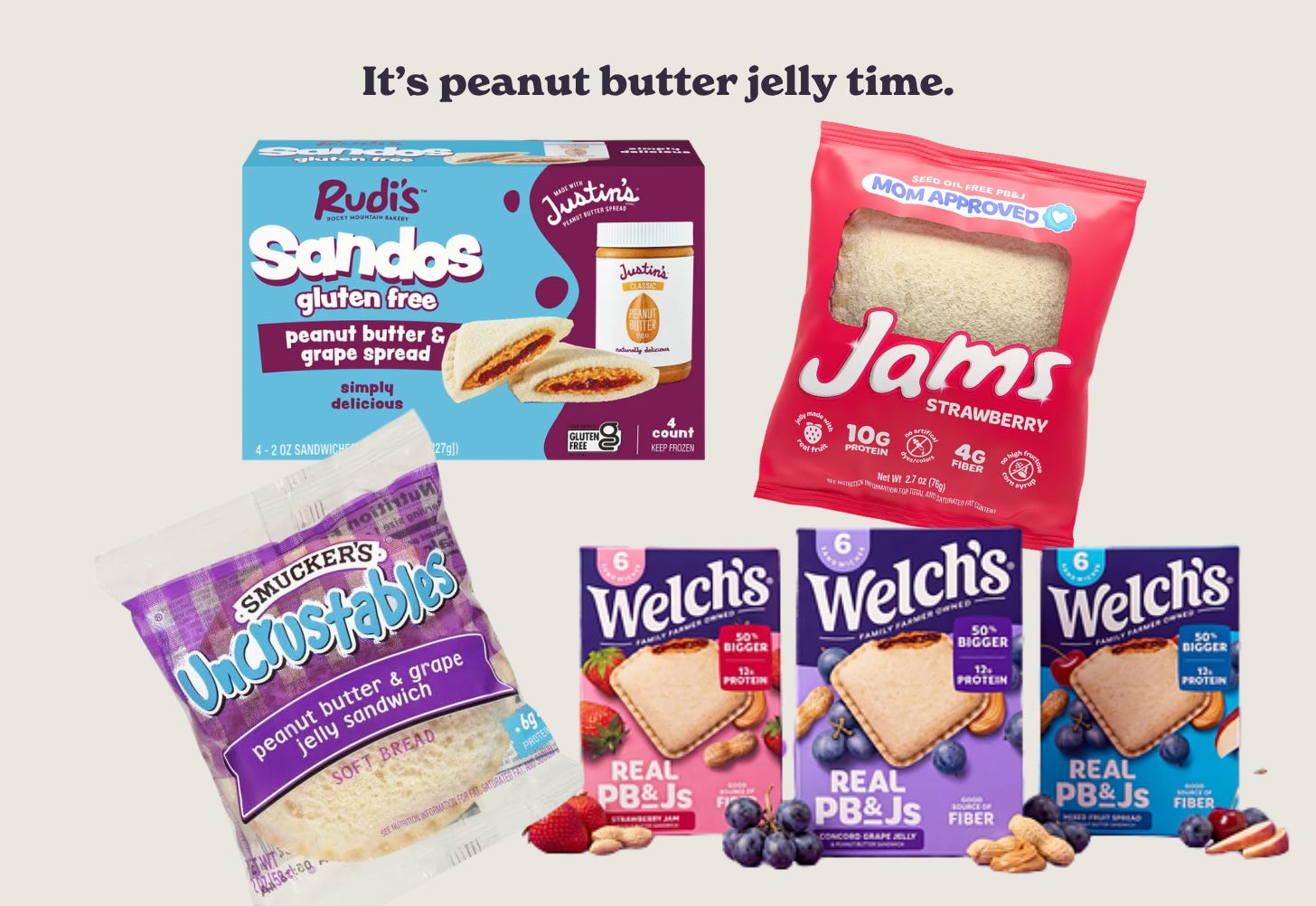
The PB&J wars has a new player… and it’s a player that knows its jams. Welch’s is launching Real PB&Js, ready-to-eat sandwiches aimed at active teens and positioned as a cleaner post-workout fuel option. They claim to be ~50% bigger than the leading frozen PB&J sandwich and contain 12g a protein (~2g more than most ready-to-eat sandwiches on the market).
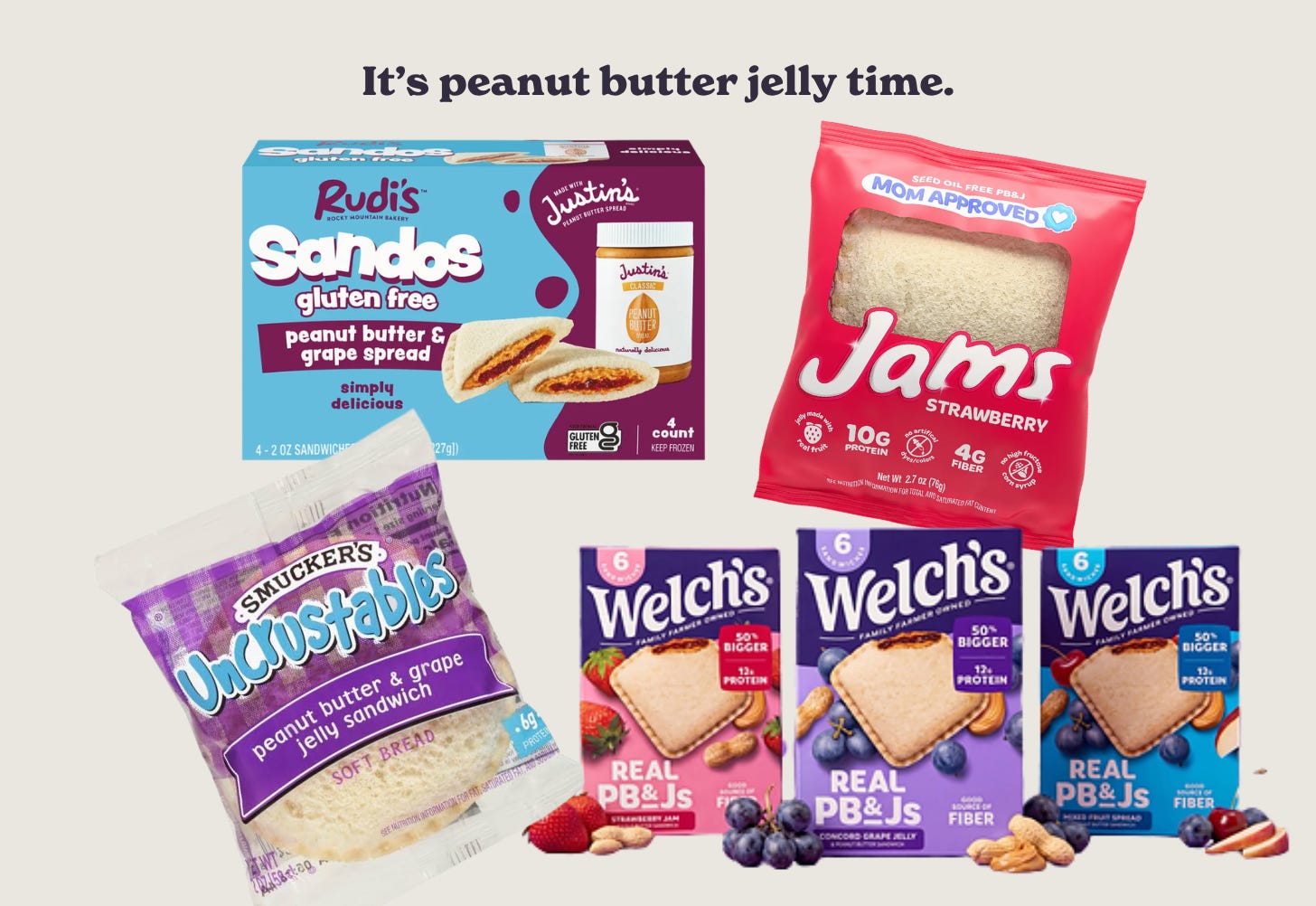
Welch’s is entering a booming PB&J market. Uncrustables has turned into one of the biggest growth stories in the freezer aisle, reportedly hitting roughly $920M in sales in FY25, growing about 15% year-over-year, and now crossing the $1B mark. It’s become a real cultural phenomenon, especially in football. NFL teams reportedly go through at least 80,000 Uncrustables a year (we’re still giggling at this stat).
Competitors have since come in for the same space. Two years ago, Rudi’s (gluten-free bread company) launched ready-to-eat, clean-ingredient, gluten-free PB&J sandwiches, Sandos, at Whole Foods. Last year, JAMS entered the market, pitching itself as the cleaner, protein-forward, seed-oil-free version of the crustless PB&J. The moves have been fast, from national Target and Walmart expansion to JAMS’s partnership with NFL Players Inc. to create the first player-made PB&J. JAMS has since brought on famed American sports analyst and former NFL player Pat McAfee coming on as a co-owner, and DropOut (JAMS parent company), just brought in Andrew Strife, the former LesserEvil exec who helped scale that brand to its Hershey exit, as CEO.
We can also add this to the list of new brands and products fighting to get into the cool kids lunch box. Read more on how the lunchbox is getting an upgrade here.
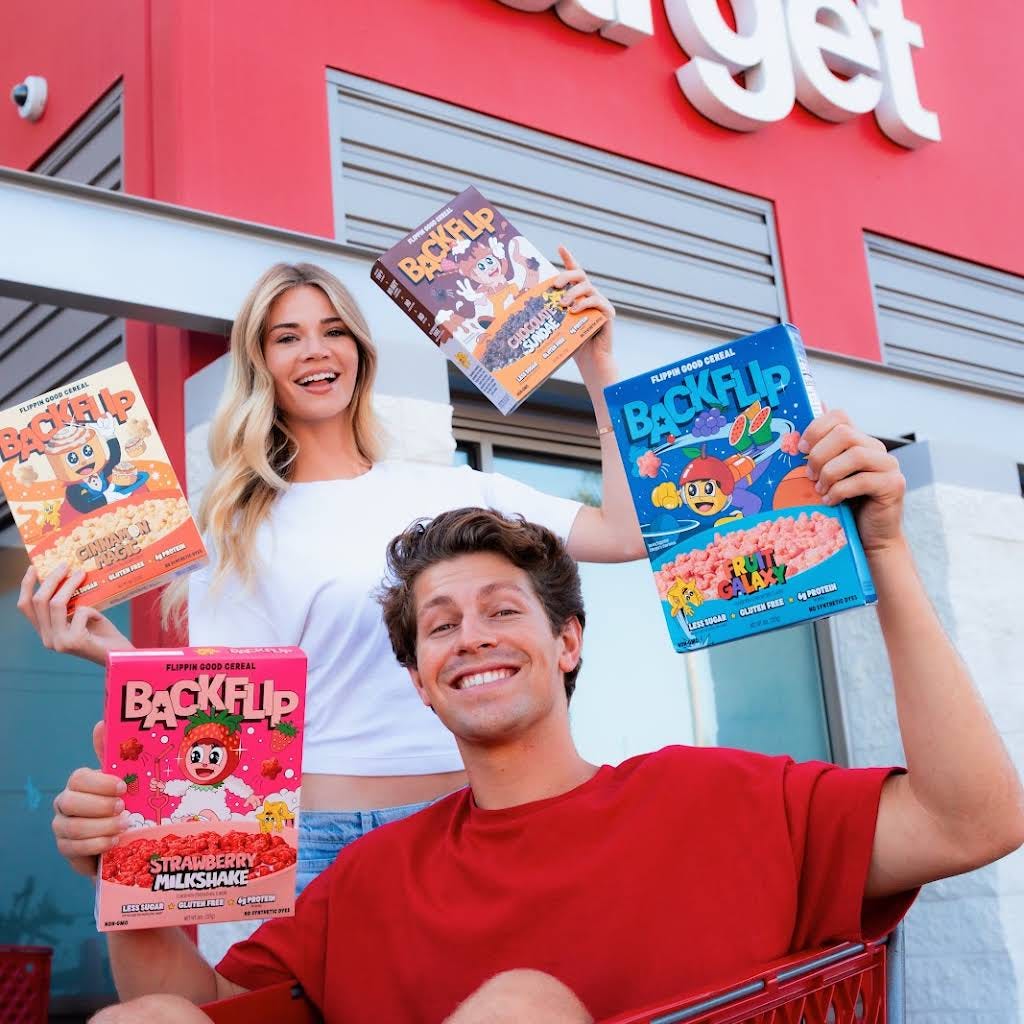
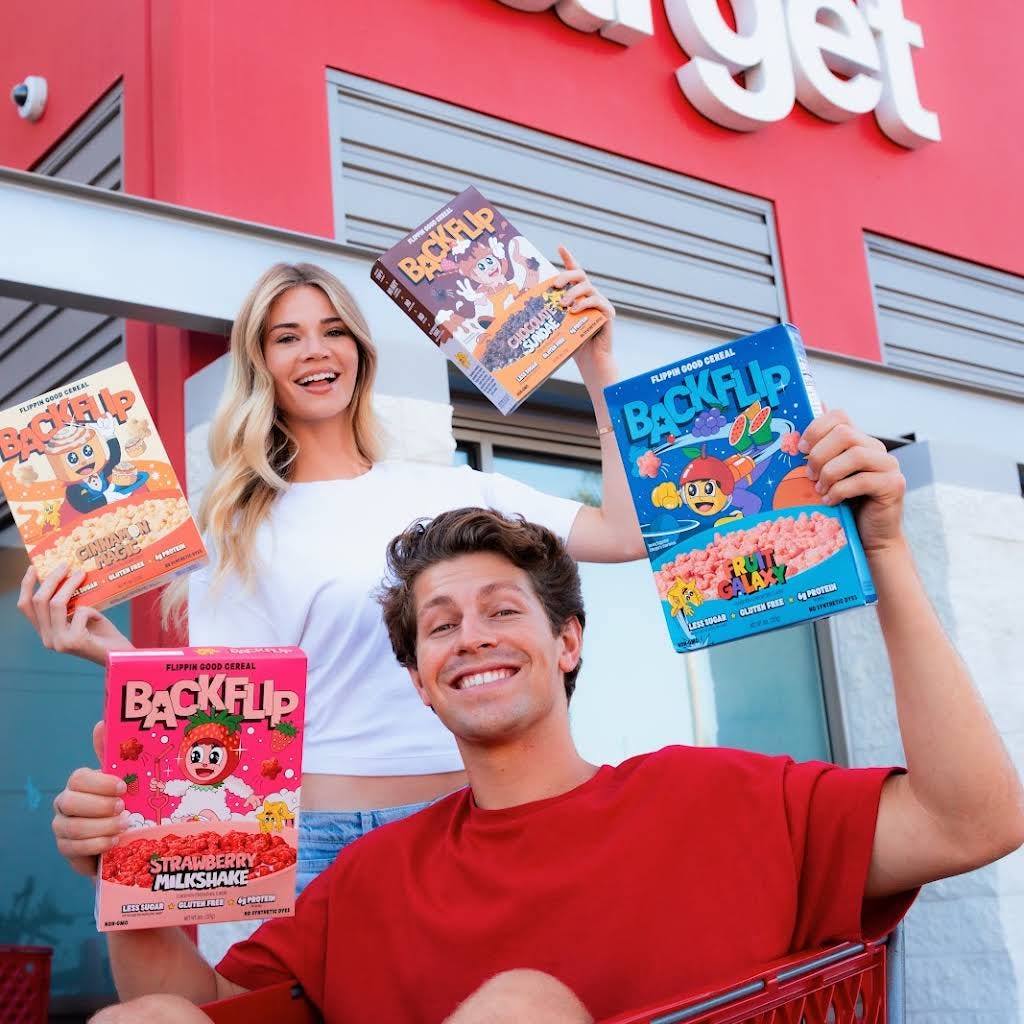
Can this be cereals comeback? YouTuber Ben Azelart recently launched a “better-for-you” cereal brand called Backflip in partnership with entrepreneur Shaun Neff (brand builder and founder of Neff Headwear, and the force behind Moon, Pattern, BÉIS, and Sun Bum). The cereal debuted nationwide at Target for $5.99 a box and is free from gluten, seed oils, synthetic dyes, and glyphosate, featuring 6g of protein and less sugar than standard competitors.
Boxed cereal has been on a slow slide for years, and 2025 didn’t break the pattern. In one of the wildest CPG deals last year, Ferrero scooped up WK Kellogg for just $3.1B and took Frosted Flakes, Froot Loops, Special K and Rice Krispies private. A century-old American icon couldn’t make it as a standalone public company—which tells you a lot about where legacy cereal stands. Since then, cold cereal volumes kept falling, and 2026 is projected to grow a whopping 0.2% (read: flat).
You could chalk this up to a total shift in morning routines, leading to cultural rejection of cereal as whole. But the decline is lopsided: The middle is hollowing out (Corn Flakes slipped 5.3% to ~$450M) while premium and organic pushed cereal e-commerce up 22.4% to $1.8B. Translation: nobody wants a plain bowl anymore, but many will happily pay $9 for a “better” one.
As the big brands scramble to go dye-free and high-protein, new entrants like Backflip are coming in with their macros and ingredients already in check. Pair it with playful, captivating, nostalgic branding, a nationwide Target launch, and a Mr Beast-esque co-founder with an easy-to-activate audience, and Backflip is set up for success.
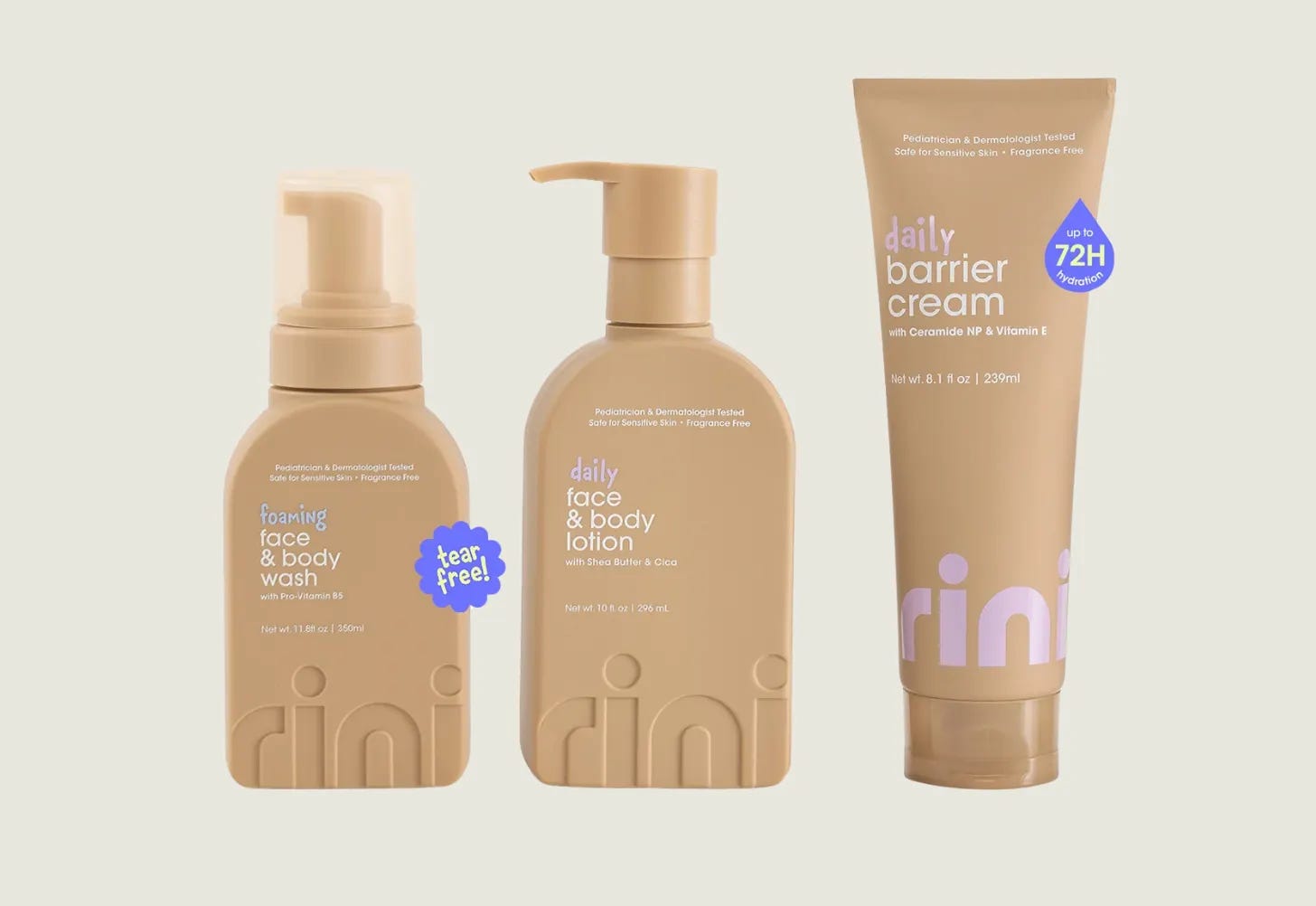
More skincare for children. Rini—a children’s skincare and self-care line from Shay Mitchell—launched a new daily care collection featuring body wash, barrier cream, and face/body lotion, all EWG verified and National Eczema Association approved, as it aims to become the go-to skincare brand for Gen Alpha.
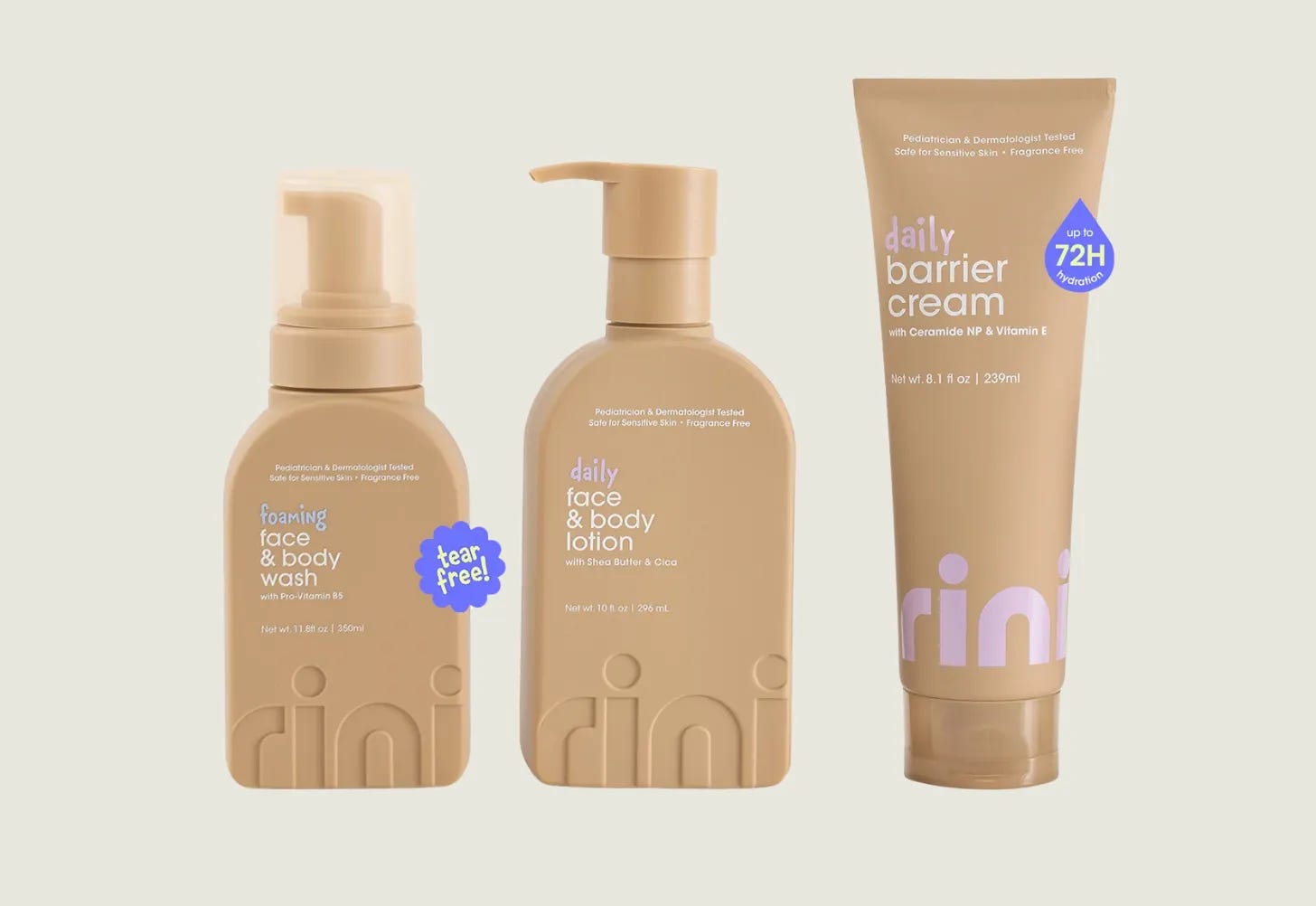
You may remember Rini from it’s… let’s say… controversial launch. Critics accused Shay Mitchell’s skincare brand of projecting adult beauty standards onto young children, encouraging hyper-consumerism, and commercializing “self-care” for kids who might not need a full skincare routine. The brand has been relatively quiet since that and this launch is its attempt to reset the brand story. Mitchell says she understands the reaction: “I think people saw kids wearing face masks and immediately filled in the blanks based on everything happening in beauty culture.” (Not totally buying this, but appreciate the mild backtracking). Now, Rini is trying to reframe itself around safe, daily skin care (closer to a Cerave than a Drunk Elephant) and not mini-adult beauty routines.
Just like we talk about with snacks, skincare is getting a wave of brands designed specifically with kids in mind. Bubble Skincare has already built major retail distribution across Target, Ulta, CVS, and Walmart nationwide. Then there’s a growing class of newer entrants like Prereq, Saint Crewe, JB Skrub, Evereden, and Rally Skin all trying to create skincare that feels built for younger consumers from the start. Rini joins the cohort, targeting the youngest of the group.
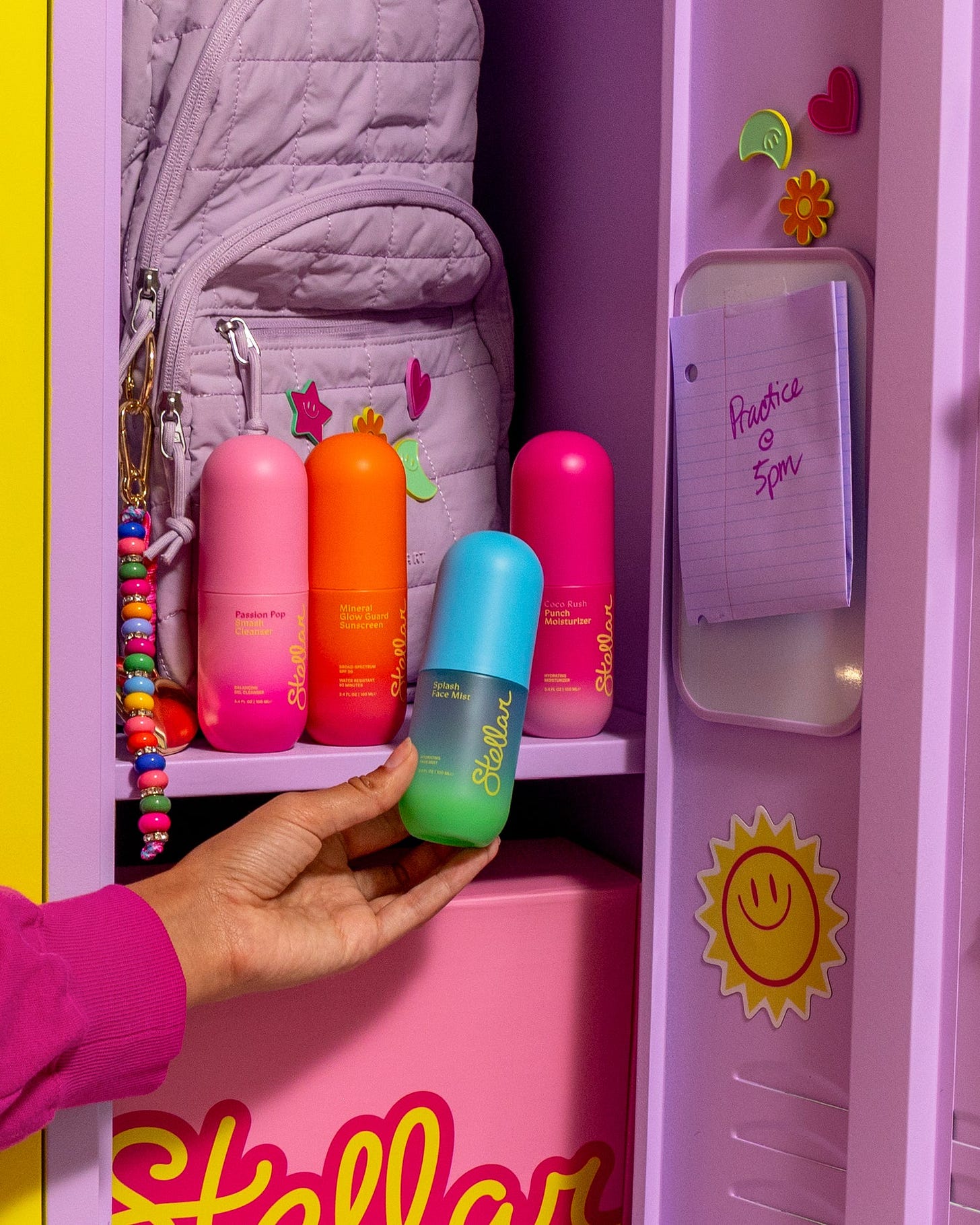
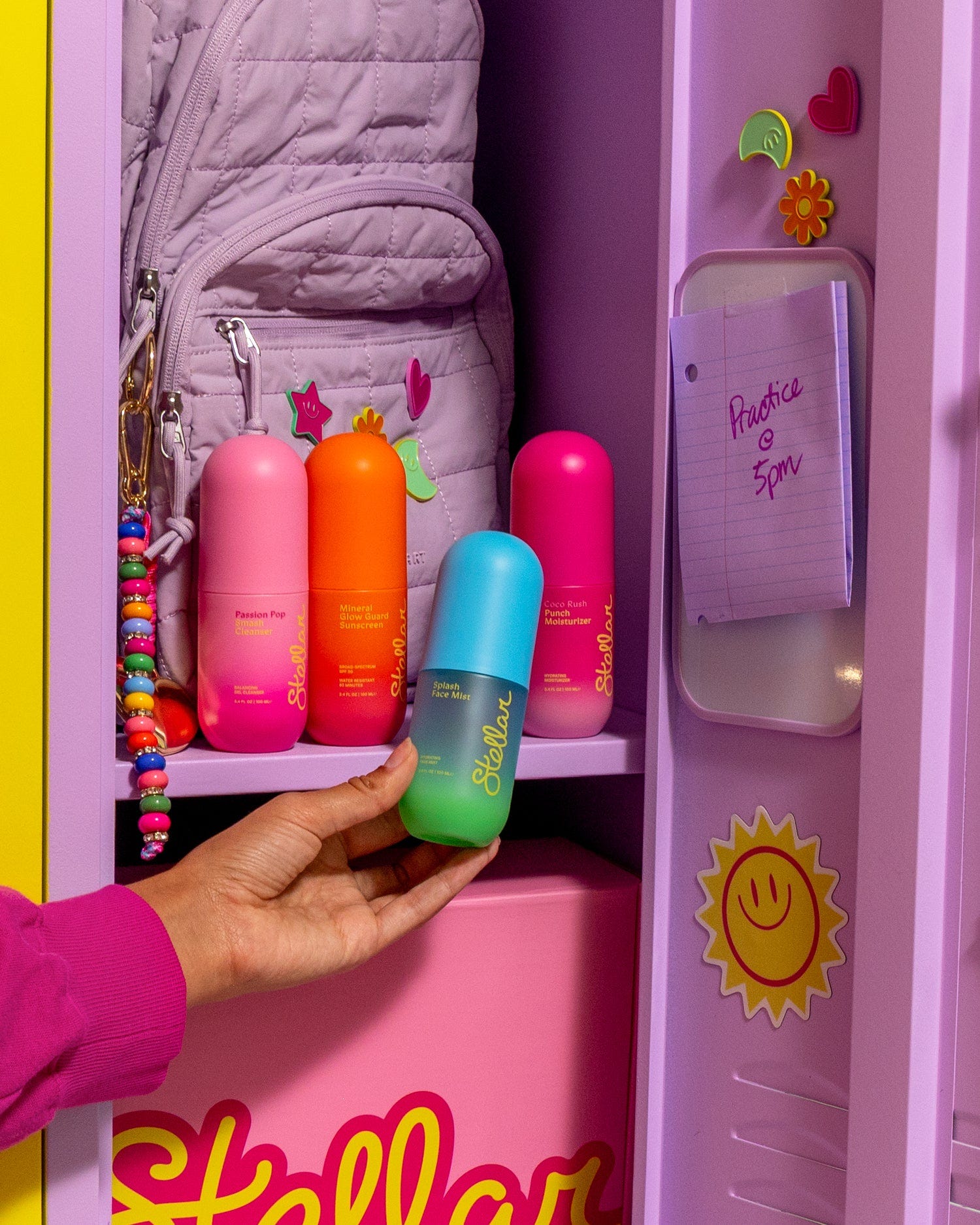
Among these brands are a few founded by Gen Alpha, including Sincerely Yours and Yes Day. Just this week, 12-year-old Stella Dorazio launched school-project-turned-reality brand, Stellar Beauty Co., on DTC. Stellar Beauty’s four “prep, play, post” products (face mist, cleanser moisturizer, SPF) are all designed for active Gen Alpha girls.
Side note: We’re fascinated by the behind-the-scenes structure powering a brand founded by a 12-year-old. Will do some investigating and report back—stay tuned.
Gen Alpha, while still a very young generation, already has a lot of sway in the economy. This generation, reportedly, has north of $100 billion in direct annual spending power, with 8-to-14-year-olds averaging about $67 a week, and they influence roughly 42% of all household spending—a number that climbs to 49% in households making over $100K. And that spending power is only expected to grow. Projections say that globally, Gen Alpha will control $5.5 trillion by 2029, and this is on track to be the largest generation in history, eventually around 2 billion people.
Beauty is clearly a category where that influence shows up. In PwC’s survey of kids ages 7-14, 81% said they have a say in what skincare and beauty products get bought, while only 61% of parents thought their kids had that kind of pull. The real number is probably somewhere in the middle, but either way, both numbers are enormous for a category that wasn’t talking to this age group just five years ago. You can see this playing out clearly with the success Evereden has had. It launched in 2018 as a baby brand, pivoted toward tweens, crossed $100 million in sales, and now pulls 85% of its revenue from Gen Alpha-focused products.
We’ve said it before, we’ll say it again: men want to smell good. Sol de Janeiro has launched its first men’s Cheiroso cologne mists, expanding the viral body-care brand into the men’s fragrance category with a DTC and Sephora rollout starting online and expanding to stores in August.
Sol de Janeiro basically invented viral scent. Founded in 2015, the brand’s Cheirosa ‘62 mist (pistachio-vanilla-caramel) racked up 850M+ TikTok views by 2023 with barely any paid spend—over 90% of its 2023 growth was organic social. That moment turned a $39M business in 2019 into roughly $950M by fiscal 2025.
As a result, L’Occitane snapped up an 83% stake back in 2021 for $450M—so this men’s push is a portfolio play as much as a brand one, extending a proven scent formula into a new buyer.
As we covered in October, men’s fragrance is having a moment. Fragrance was the fastest-growing beauty category in 2024, up 25% YoY, with teen boys alone lifting their fragrance spend 26%. 35% of Gen Z men now drop $200+ a year on scent—more than Gen Z women (18%)—and they’re building “fragrance wardrobes” of 8–12 bottles instead of one signature.
So Cheiroso is Sol de Janeiro playing to its strength. A TikTok-native brand that already speaks fluent Gen Z, launching into the one beauty category where Gen Z men are spending like never before. The Sephora + DTC rollout is just meeting them where they already scroll.
Retail
Another win for the legend of the mall. Bath & Body Works launched Fruit Fusion, a fruit-forward body care line with four scents priced $4.95–$18.95, naming Hilary Duff as creative partner. It also marks the brand’s first major product launch on Amazon since joining the platform earlier this year.
It feels like this once-dying mall brand is really making a comeback. Just last week, we talked about Bath & Body Works launching in Ulta, and with the rise of early-2000s nostalgia, the brand has a chance to take the reins once again. No wonder they went with Hilary Duff—it fits perfectly. The consumers who grew up with both Hilary Duff and Bath & Body Works are being pulled right back in, now able to buy the brand where they already shop for everything else. It’s a really smart move.
Funding news
Chipotle ❤️s regenerative brands. Chipotle’s $100M Cultivate Next venture fund invested in six agrifood-tech companies, including SIMPLi, a regeneratively farmed pantry-staples brand. SIMPLi focuses on vertically integrated, traceable supply chains, regenerative and organic practices, and third‑party nutrient-density testing.
The move reflects growing investor interest in regenerative agriculture amid shifting U.S. food-policy priorities. TL;DR, as part of the MAHA Agenda (which we have many feels about, but will stick to the facts and upsides here), the USDA is investing more in regenerative agriculture projects through its Regenerative Pilot Program.
At the same time, as Chipotle explained, “Consumers want greater visibility into where their food comes from and how it was produced.” This made SIMPLi a great contender for Cultivate Next funding: “SIMPLi’s approach to sourcing and transparency through regenerative organic practices, third-party nutrient-density testing, and sustainability tracking aligns with growing demand for visibility throughout the supply chain.”
Check out our podcast interview with SIMPLi founder, Sarela Herrada, where she explains what regenerative actually means and how SIMPLi builds authentic supply chains.
Clean beauty finds its acquirer. Belle Brands acquired Versed, Katherine Power’s clean mass-retail skincare and makeup brand launched in 2019. Versed joins other beauty and skincare brands such as JVN Hair, Pipette, and KVD Beauty in Belle Brands’ portfolio.
Versed was basically built for success: Katherine Power joint is the same serial founder who co-founded Who What Wear (sold to Future plc for ~$100M), then Merit Beauty and Avaline wine with Cameron Diaz. Versed was built as the first digitally incubated brand to launch straight into mass retail—a media audience funneled into a Target shelf. For anyone building media-into-commerce, she’s basically the blueprint.
Belle Brands was only formed in 2024, when Windsong Global scooped JVN Hair and Pipette out of Amyris’ bankruptcy. The thesis: buy depressed-but-shelved brands, share the boring backend (logistics, supply chain, manufacturing), and leave the brand’s face mostly alone. Versed slots right in next to KVD—essentially a consolidation play, reportedly a ~$20M revenue reset for a brand that once rode the 2019–2021 clean-beauty wave. The boom brands are aging into roll-up targets, and Belle is building a holding company out of exactly those.
If you haven’t yet, please subscribe, like, leave a comment, and share it! It helps us continue to bring you the most interesting news + nuance in consumer and retail every week.
Magic Spoon has already proven there's consumer demand for a better-for-you cereal at a premium price point, so Backflip isn't really a bet on category revival so much as it's a bet on creator distribution as a growth channel. The interesting question is whether Ben Azelart's audience converts to repeat buyers or just fuels another strong launch window.