



Hello hello!
A retailer sends a big PO… great news, until you realize Shopify is selling the same units and nobody knows how many are left. Then the order ships late, with a chargeback. 🙃
Endless Commerce is the ERP that gets you to yes the day the PO arrives. EDI, DTC, and everything you need to level up as an omnichannel brand, all in one place.Now you can use it from Claude, ChatGPT or whatever AI chat you’re in all day.

Join Great Jones, Topicals and Tin Can and get your first 3 months free.
What what we’ve been thinking about…
There’s a very specific genre of brand that’s having a field day in the snack category (and beyond): self-manufactured platform brands.
In human words (🤡), these are companies that own their factories and manufacturing (which is rare in CPG), and use those factories to spin one core ingredient into a whole lineup of different products.
The two brands that caught our attention this week didn’t set out to own manufacturing; they built their own plants because they had to, and then realized the factory was the most valuable thing they owned. Once you’ve built a plant around one unusual ingredient or process, the natural next move is to make more things with it. Necessity became the moat, and the moat became the platform.
First up: Ancient Crunch, the company behind premium beef-tallow chips MASA and Vandy. This week, the brand launched Vandy Classic Steak Fries, its first frozen product. Made with organic potatoes and grass-fed beef tallow, the fries join a growing set of upgraded frozen fries from brands like Jesse & Ben’s (which recently raised a $10M series A and is crushing with its own beef tallow SKU), Folkland, and Naked Fries.
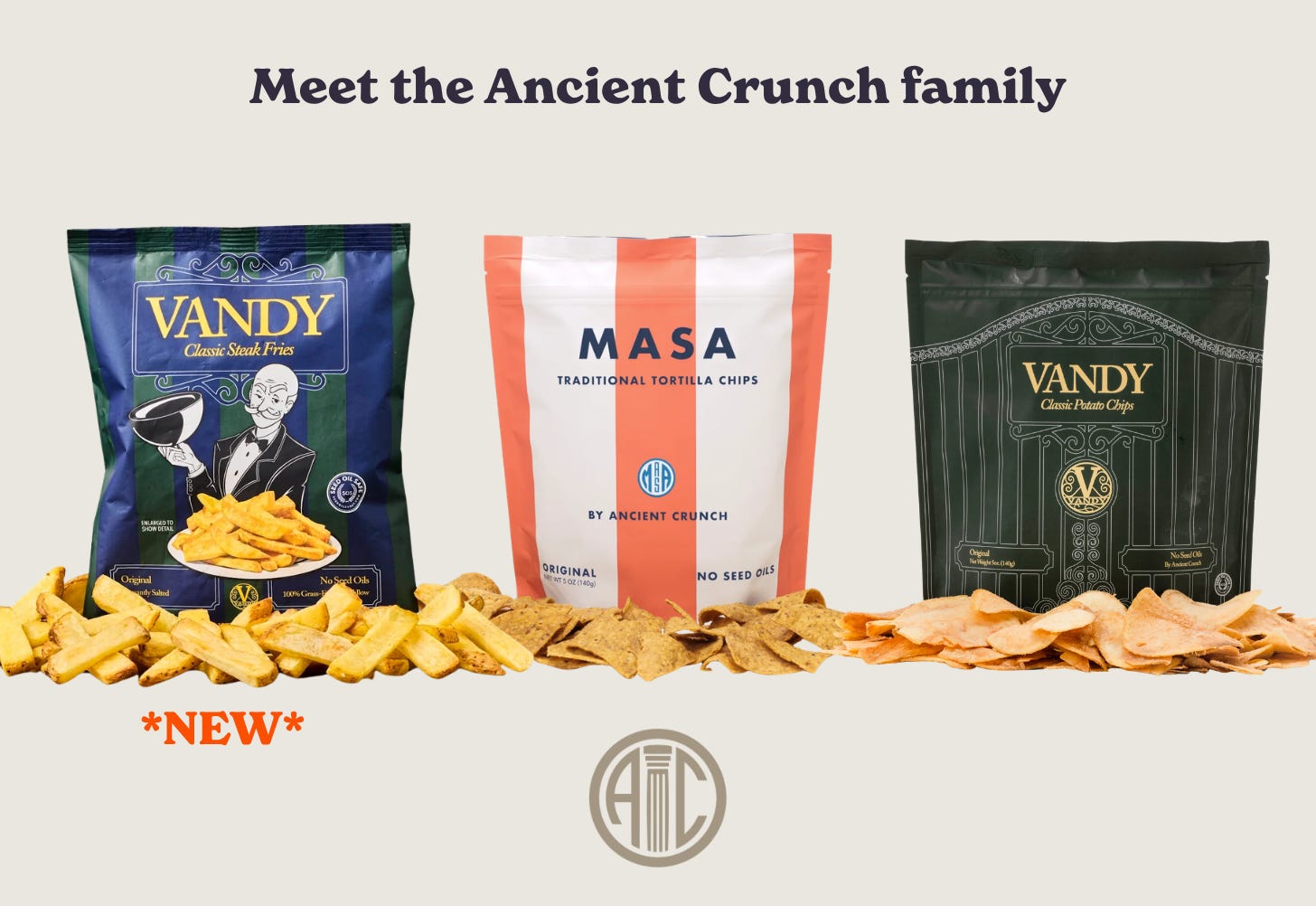
Ancient Crunch has spent the past few years building a beef tallow platform brand. The company launched in 2022 with MASA tortilla chips, right as the anti-seed-oil movement was gaining traction—but also when no co-manufacturer was set up to fry in beef tallow. The founders had to build their own factory, and that early detour is now their moat: The plant turns out roughly 500,000 bags a month and is consistently innovating in beef tallow snacking occasions (they’re also launching beef tallow popcorn next year).
Beef tallow brands that were later to market (including Beefy’s Own, Rosie, Tips, Vaca, and even Boulder Canyon, which now has a tallow SKU), can rent capacity from co-manufacturers now that tallow is more mainstream, but few can match that scale, and fewer can turn around and launch a frozen line off the same infrastructure. Sure, MASA and Vandy’s premium branding (and HEFTY price tag to match) helps them stand out on an increasingly tallow-heavy shelf, but the factory is what lets them keep up.
Next up, WILDE, the brand proving chicken is the new whey. WILDE, the snack brand making chips and crackers out of chicken breast (sounds wild, tastes delish), took the same path with a very different ingredient. This week, the brand raised $40M from S2G Investments as its protein crackers head into 3,500 Walmart stores. 🤯
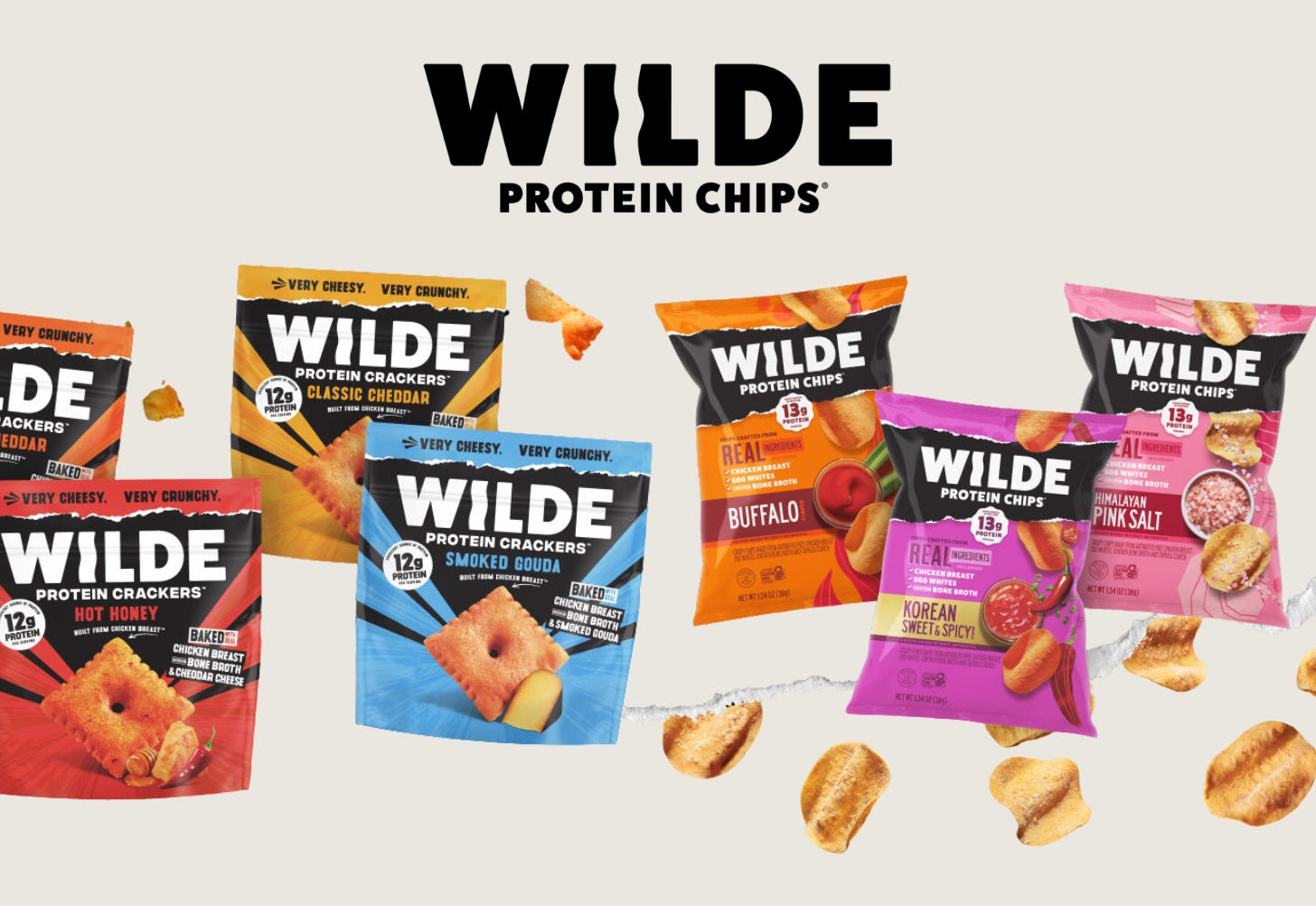
Like Ancient Crunch, WILDE built its own factory because nobody else could make its product. Turning chicken breast into a chip required a proprietary process and custom-engineered equipment, so in 2021, the brand opened its own plant in Winchester, Kentucky. Now it’s scaling again: WILDE recently opened a new 130,000-square-foot USDA-regulated facility that expands production capacity sixfold, just in time for its nationwide Walmart launch.
This company is doing a LOT right. Its protein comes from a natural, whole source, which consumers increasingly want. Its manufacturing is built on custom equipment, which is pretty hard for a strategic to copy. And it’s building a platform, with chips and now cheese crackers built around its hero ingredient, chicken breast.
Most importantly, perhaps, WILDE sits in a uniquely powerful spot in protein snacking: Whey concentrate prices are up 250% year over year, and while competitors scramble to reformulate around it, WILDE can promise protein without fighting over a scarce ingredient.
As seed-oil-free and protein-packed callouts flood the snack aisle, brands will need to find unique ways to innovate quickly and avoid the risks of crowded co-manufacturers and shaky supply chains. Ancient Crunch and WILDE are proving it’s possible, and we’re eager to see how a category expansion and a major investment alter their trajectories.
And stay tuned for the other big topic on our minds… dessert. 😋 This Wednesday on the Express Checkout podcast (find it wherever you listen to pods!), we’re going to be chatting about two new themes we’re seeing across CPG this week: the “dessertification” of everything and “permissible indulgence.”
CPG & Consumer Goods
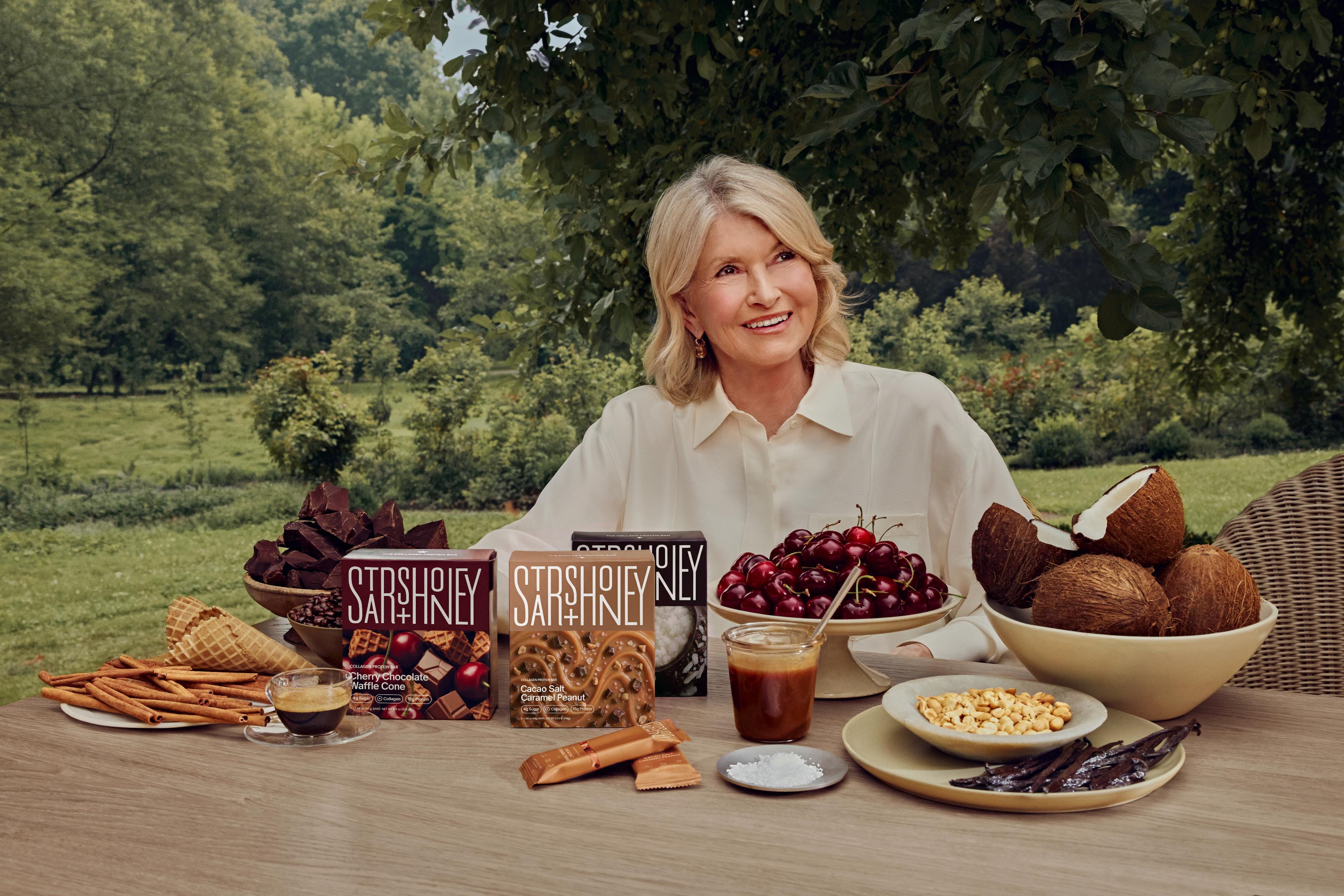
Martha Stewart, CTO? Relax, she’s not joining an AI startup (thank god). She’s joining Stars + Honey, a collagen protein bar brand known for dessert-inspired flavors, as its first Chief Taste Officer, working with the team to develop new flavors.
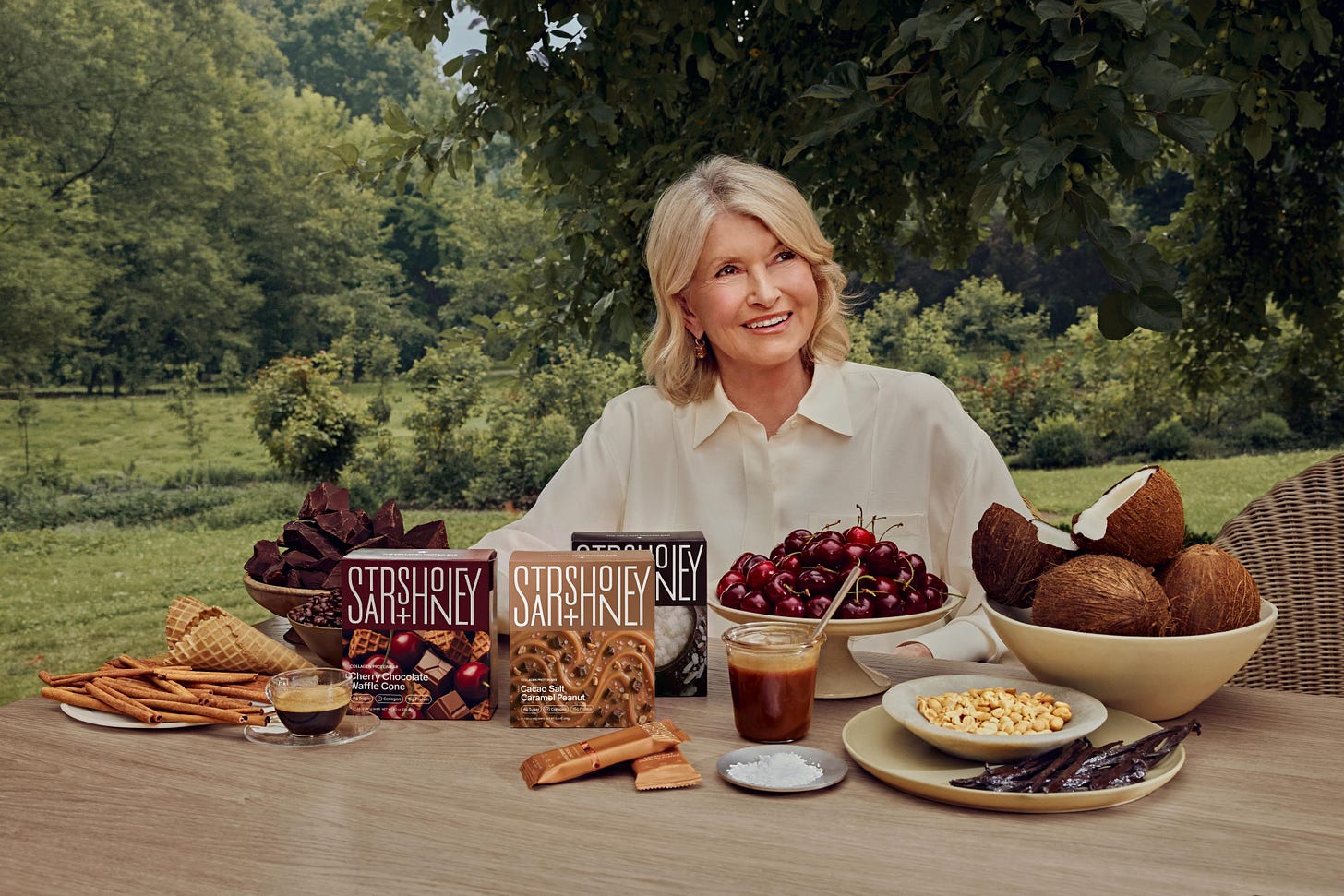
My queen If you haven’t come across Stars + Honey yet, it’s a beast of a young brand. They only launched in 2023, but have already expanded into Target nationwide and select Costco clubs after growing 300% in 2025. In June, they raised $24M from VMG Partners to help fund that expansion, including a new 60,000 sq. ft. manufacturing facility. At the time, they said they were on track for about $50M in revenue in 2026—a lot to build in just three years.
So why do we think it’s working? For one, they’re leading with taste and thoughtful function for everyday life, rather than just gains for gymgoers. A lot of protein bars still feel like they’re made for the fitness consumer, and Stars + Honey is giving people a reason to reach for one outside of a workout, with indulgence on the brain. We’re seeing a similar shift in hydration with brands like Leisure Hydration, which has hydration designed for the everyday moments rather than post-sweaty workout.
Consumers, now more than ever, want to satisfy a dessert craving and get some functional benefits along with it. You can’t tell us that a Cherry Chocolate Waffle Cone (one of the brands elaborately indulgent-sounding flavors) doesn’t make you drool a little. And that’s why Martha (and the Taste Officer title) feels like such a perfect partner for the brand. She’s the queen of culinary, and brings the comfort, luxury and premium taste this brand is trying to convey to consumers—scooting itself far away from the fitness bros.
The other interesting element of Stars + Honey is its beauty and skincare angle, featuring collagen as a key ingredient. This fits nicely into Whole Foods’ 2027 “Beautrition” trend, which we talked about on last week’s podcast: the idea that what we eat is becoming part of how we think about beauty and skincare.
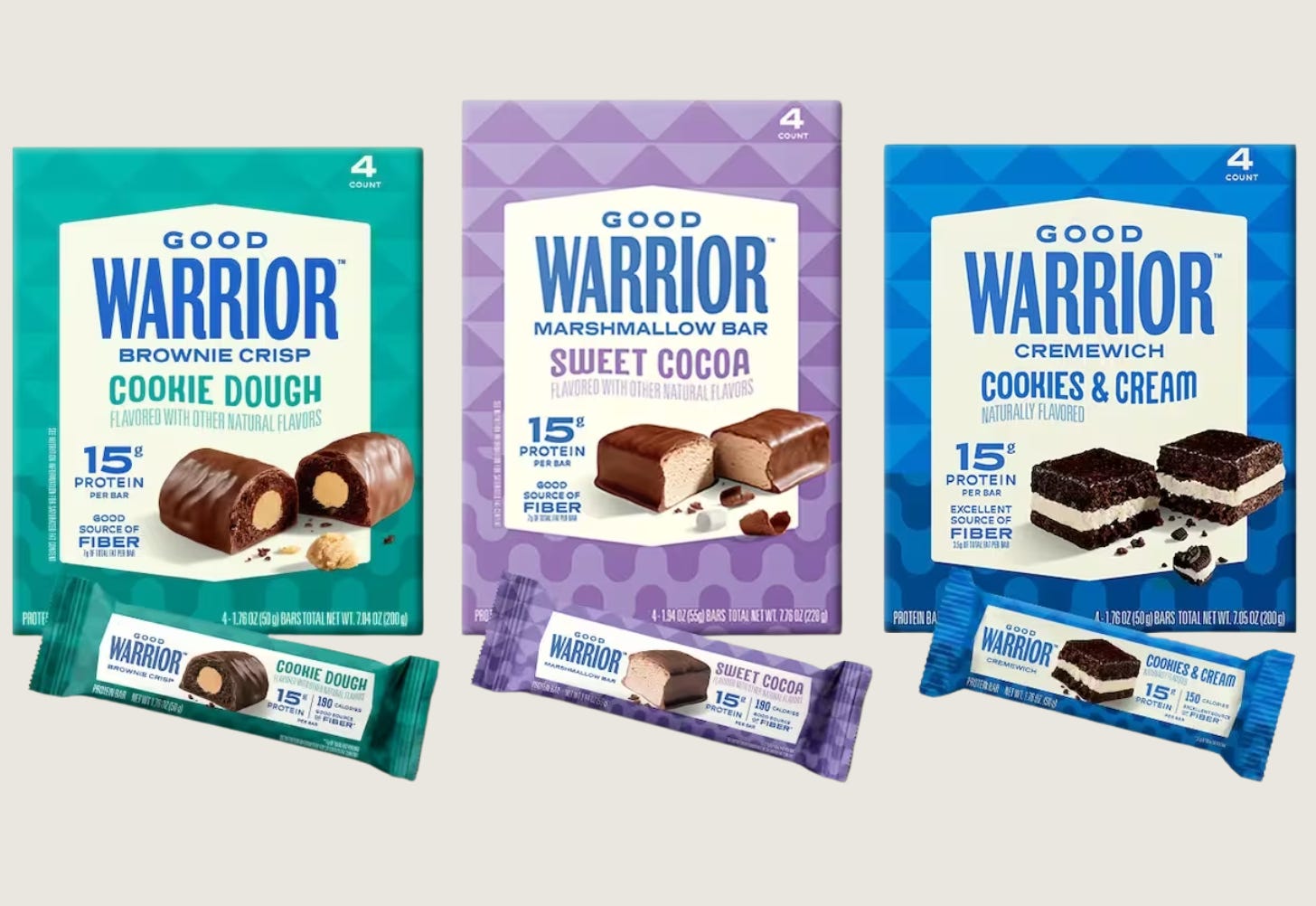
From savory protein to sweet protein. PepsiCo’s Good Warrior, which launched earlier this year with beef sticks, is expanding into protein bars: a cocoa marshmallow bar, cookie dough brownie crisp, and cookies-and-cream “cremewich,” featuring 15g of protein, 7g of sugar, and 5g of fiber.
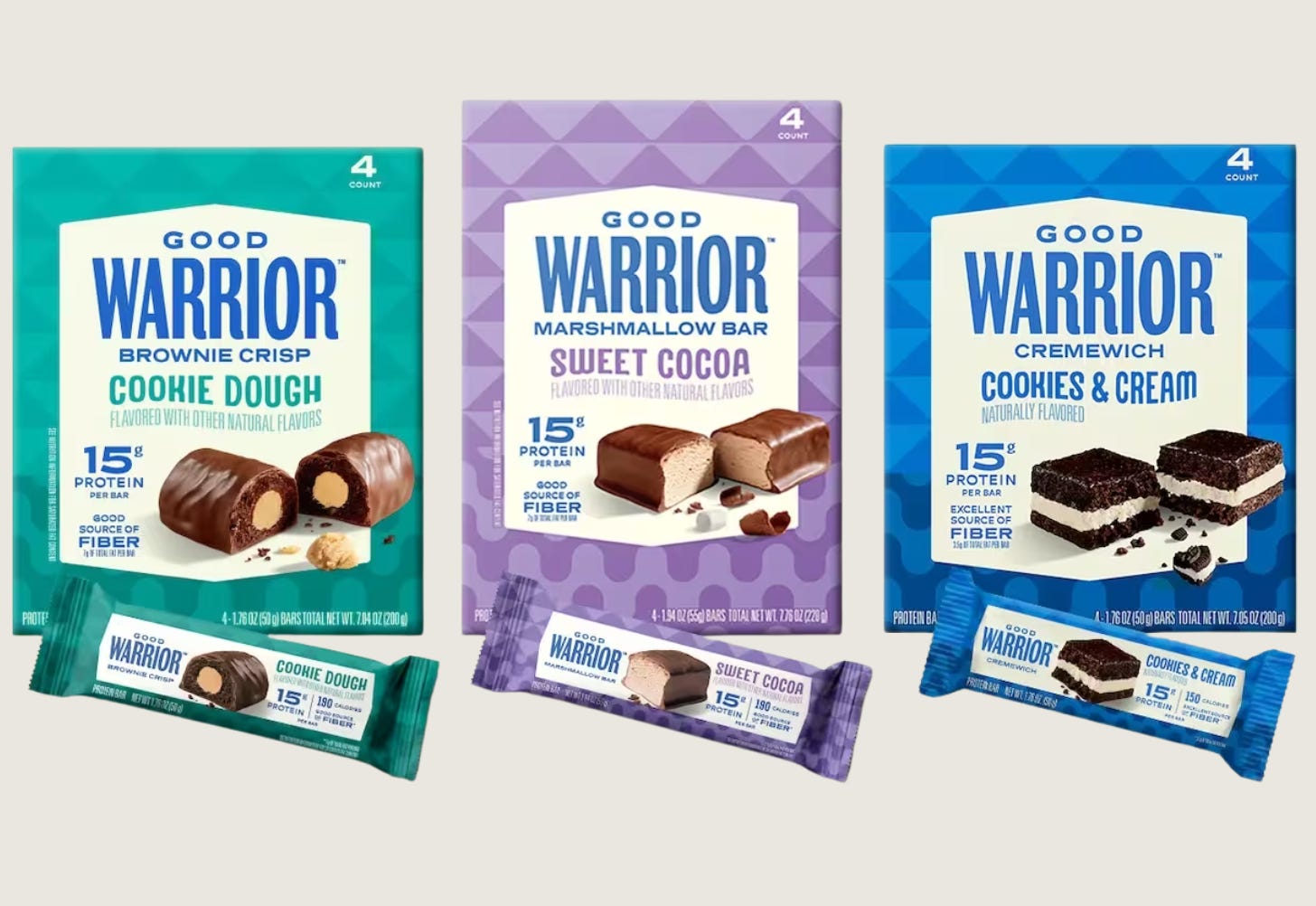
When Good Warrior first launched, we thought PepsiCo was just getting into meat sticks, which wouldn’t be a bad bet on its own. This now looks more like a broader protein brand, with a clear lean into “dessertification.” Rather than making one protein bar in dessert-inspired flavors, Good Warrior is positioning this rollout as three different protein desserts with textures that match their flavors, just in bar form (ie. the “cremewich” isn’t just cookies + cream flavored, it’s cookie crunch with a cream filling). That feels like a more interesting approach than another cookie dough-flavored bar, and not necessarily what we’d expect from Big CPG. Dare we say, (somewhat) innovative?!
The decision to build Good Warrior is particularly interesting given how acquisitive PepsiCo has been over the past few years (see Siete and Poppi). Maybe they’re confident enough in protein and fiber that they see room to build a brand themselves, rather than buy their way in with something like Chomps or even Stars + Honey.
Meanwhile, other strategics are leaning into beef sticks. General Mills, Archer, and Conagra all expanded their meat snack portfolios as the $5.7B category grows at 9.5% annually—three times faster than overall snacking—with online sales up 41%.
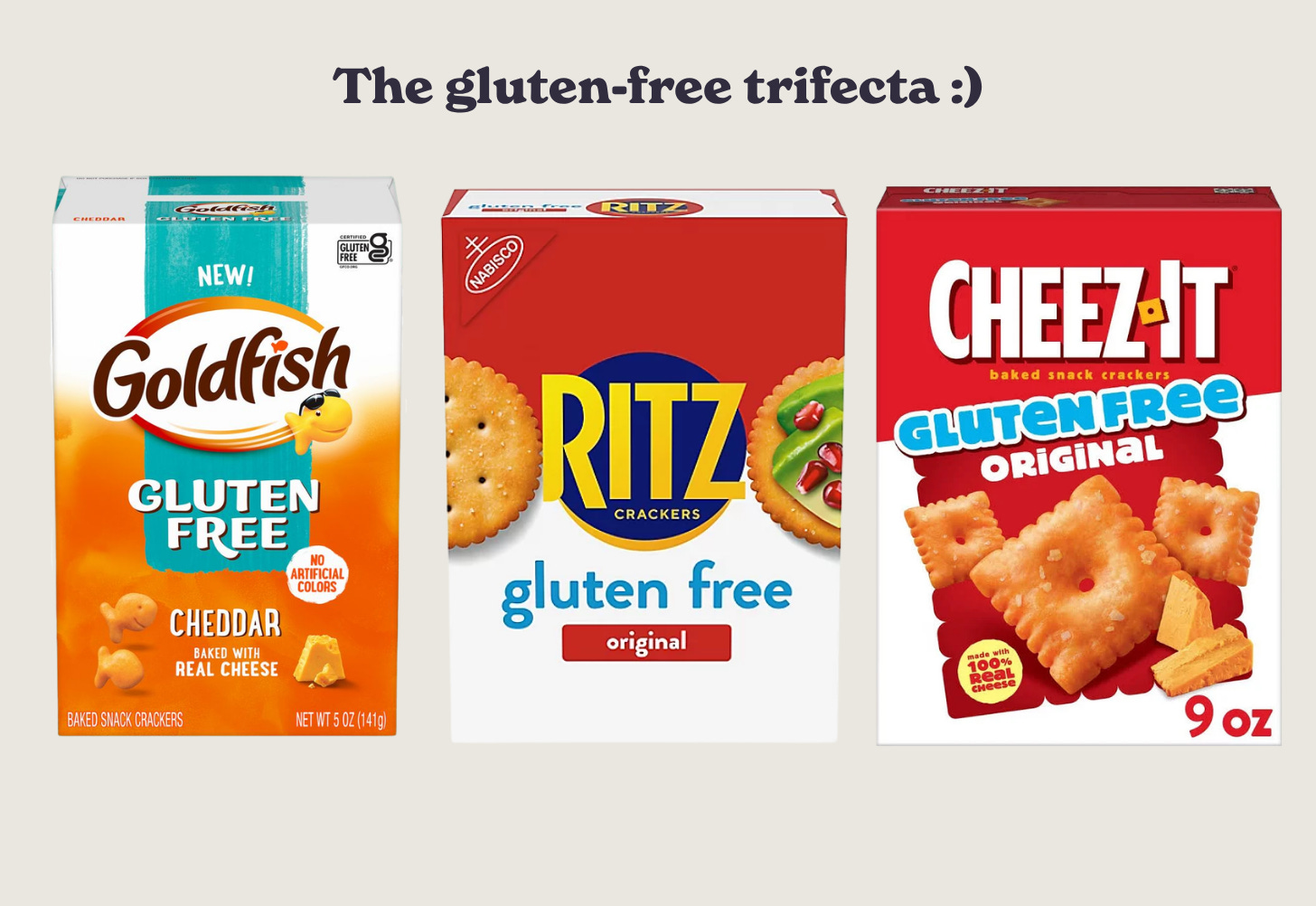
The GF cracker trifecta is complete! After more than 90 years (!!), RITZ is finally launching a gluten-free version of its iconic cracker! It joins fellow cracker favorites Goldfish and Cheez-It, which both recently announced GF versions of their products, much to consumers’ delight. The new crackers will hit Walmart and Albertsons this month, with a full rollout in February 2027.
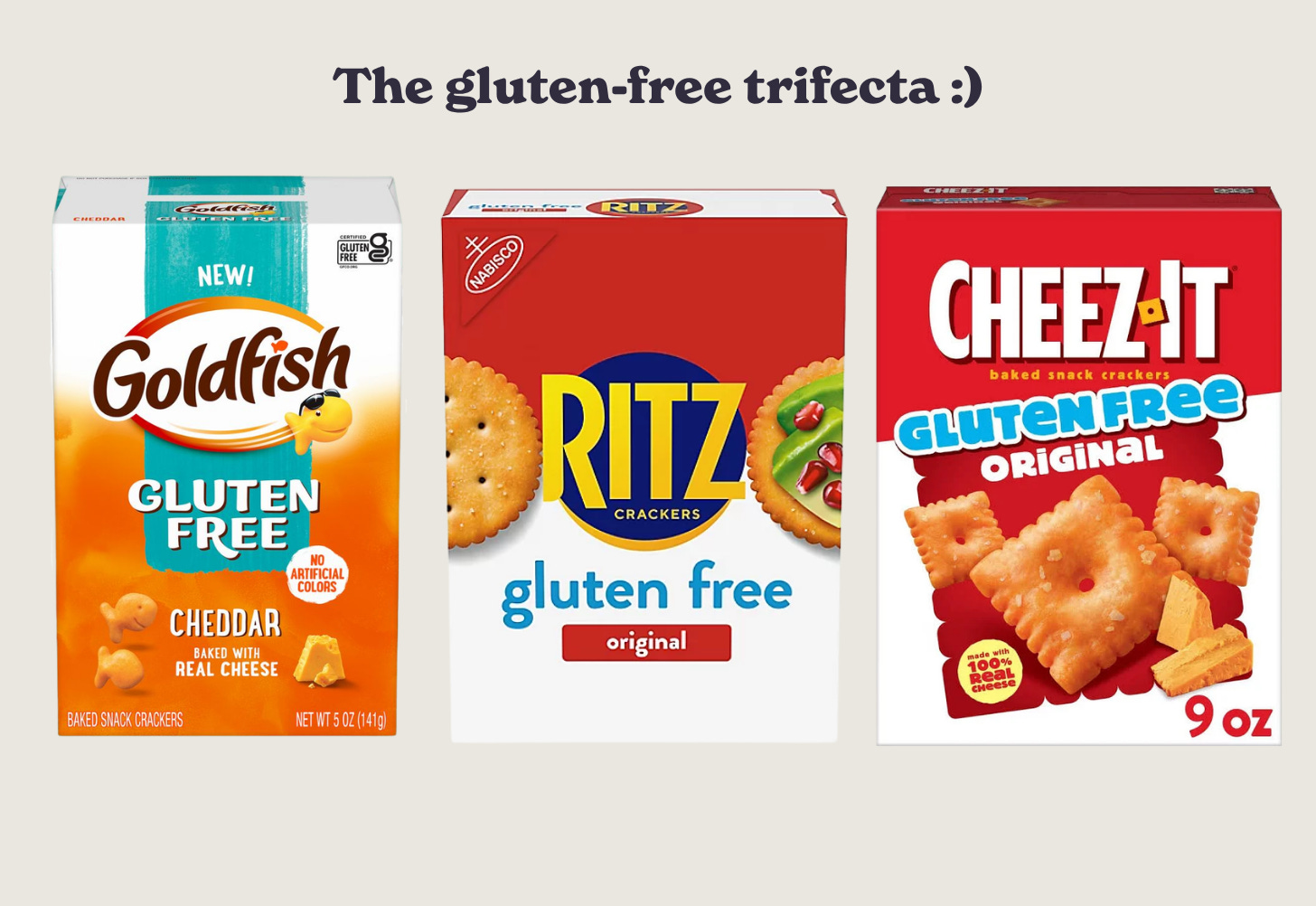
This year, both Goldfish (Campbell’s) and Cheez-It announced their first-ever GF versions, and we spoke about how it felt weirdly… late. Clearly, RITZ (a Nabisco company, owned by Modelez International) felt the same pressure from its fellow OG salty snacks. It’ll be interesting to see how brands built specifically as GF alternatives to the big guys (like FitJoy, which has a great GF RITZ dupe) will fare—will GF consumers stick to their tried-and-trues, or experiment with
Honey, I’ve shrunk the ice cream! McConnell’s Fine Ice Creams, a 78-year-old brand of premium (DELICIOUS) ice cream, launched its first-ever half-pint format: 8-oz cups in a four-pack, exclusively at select Southern California Costco locations.
If you (like us) are fans of Alec’s Culture Cups, this format may sound familiar. Though McConnell’s half-pints are double the size of Alec’s Culture Cups, the idea is similar: an adjusted serving size, but nothing adjusted or missing in the ingredients. Indulgence remains, but the portion shrinks amid changing portion preferences (see: GLP-1s and their influence on just about everything). The smaller format also gives shoppers a lower-commitment way to try super-premium ice cream, and opens up grab-and-go occasions.
A community-built beauty brand. Beecee, the Gen Z sister brand to Counter from Beautycounter founder Gregg Renfrew, launched the Jelly Gloss Lip Shine in eight sheer shades—a name chosen by its 25,000-member community, which was also involved in product testing, before the brand sold a single product.
This story reminded me (Jenna) of the long-forgotten CPG crypto era. In 2021–22, CPG tried “community-built” brands with crypto through DAOs (Decentralized Autonomous Organization, or blockchain-based orgs “owned” and created by their communities). An example of this was when the prominent social DAO Friends With Benefits partnered with canned beverage brand Taika to co-create a community-designed beverage, and token holders voted on elements of the product experience, functioning as a decentralized focus group and brand incubator.
While the model was buzzy for a minute, it didn’t hold. The promise of Web3 fizzled when the crypto bubble popped, and CPG DAOs silently fell off. But, the idea of building a brand with community outlived crypto, and Beecee is a great example. The brand is swapping tokens for commission: members can earn on sales, Beautycounter’s seller model rebuilt for 14-to-30-year-olds. The community grew from 10K to 25K in just two months!
Sweet proteins crack chocolate’s hardest problem. Oobli, a sweet protein startup, announced a sugar replacement system for chocolate co-developed with Dutch giant Cosun Ingredients, pairing sweet proteins with Frutalose chicory root fiber to replicate sugar’s bulk, mouthfeel, and crystal structure.
Are gel-based supplements the next big category? Kate Hudson joined supplement brand HealthyCell as an investor and brand partner, backing the brand’s patented MicroGel® technology, which the company claims delivers 165% better nutrient absorption than standard tablets.
“Bioavailability” is the new buzzword in supplements these days. Where it used to be enough just to get your supplements in any form (be it capsule, gummy, powder…), new brands and wellness thought leaders (including, evidently, Kate Hudson) are getting nitpicky about delivery. We spoke about this in a previous newsletter about the category we’re calling “meta-supplements,” or supplements for your supplements.
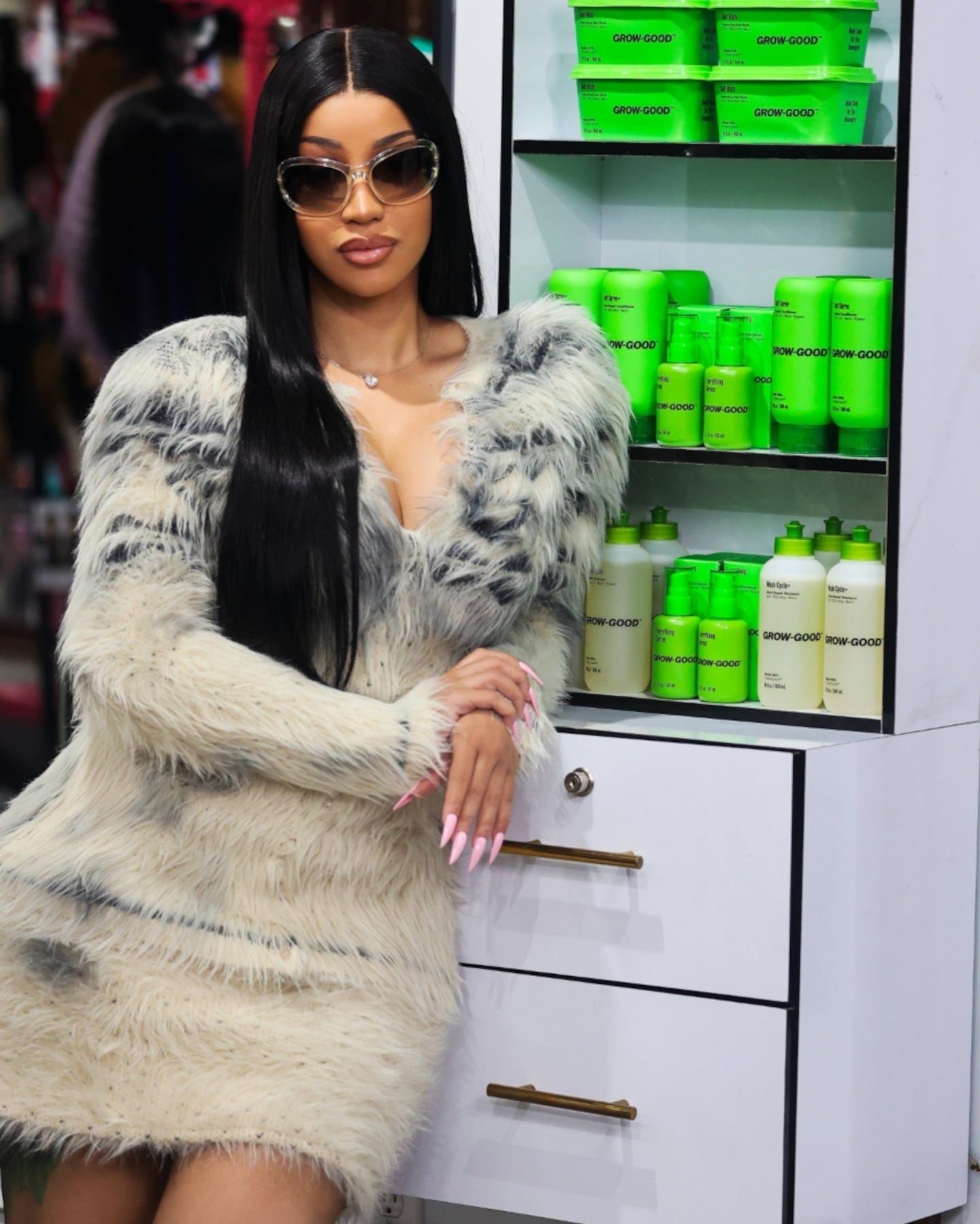
Celebrity name, neighborhood vibes. Cardi B’s Grow-Good haircare brand is rolling out to six independently-owned beauty supply stores across New York, Atlanta, Chicago, Houston, and Los Angeles.
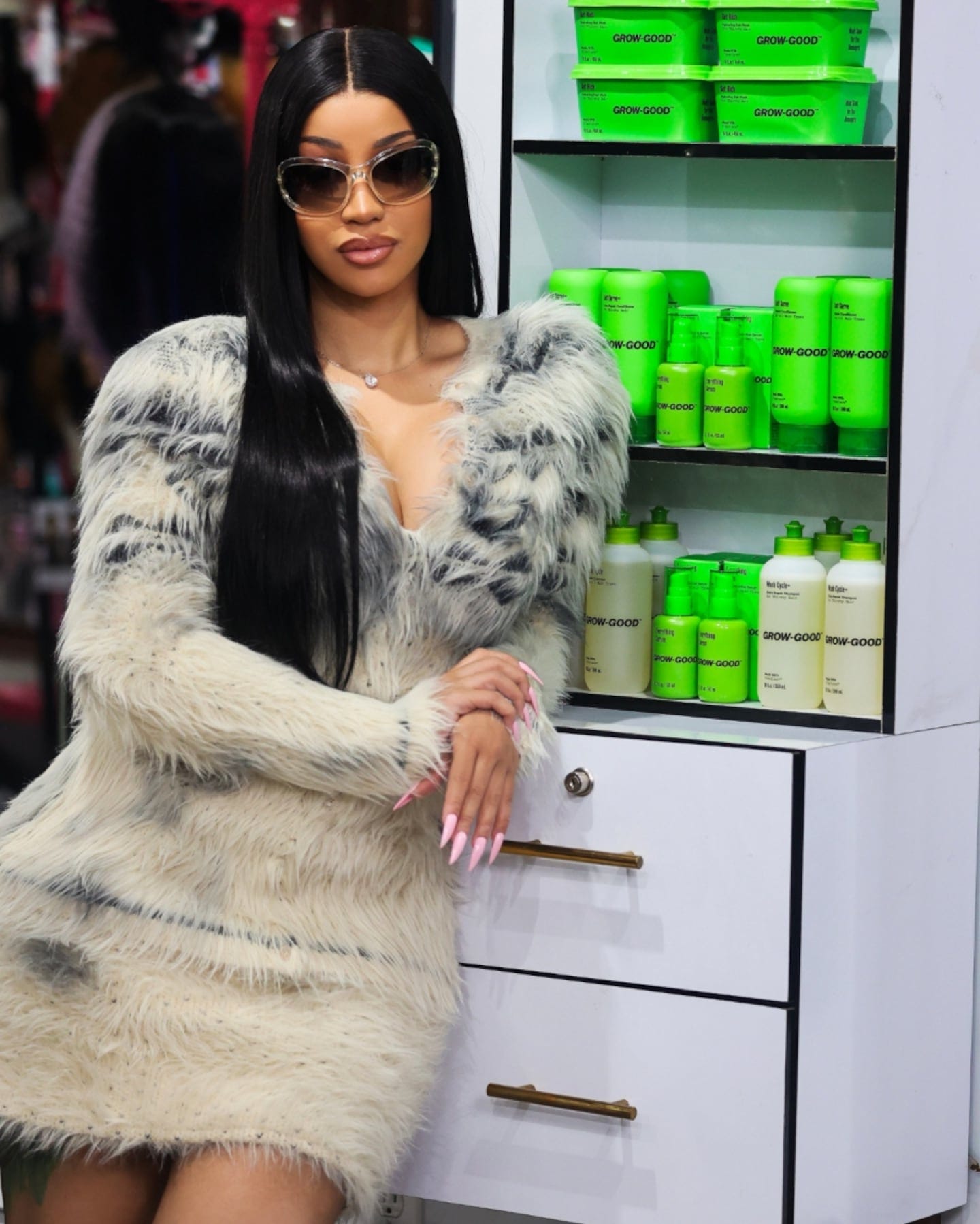
This brand is KILLING it. Grow-Good launched online on 4/15 after a sold-out March presale, and the full line sold out in under an hour. Restocks of the Get Rich mask and Everything Serum have gone in about 10 minutes, and the waitlist reportedly represented more than $40M in potential sales.
It’s so cool to see Cardi prioritize affordability and accessibility with this launch. Cardi could easily slap her name on a $45 hair mask, but keeping everything under $20 and selling through local beauty supply stores feels much more her. When we first covered the brand announcement, fans had already been following her wash days and homemade hair recipes for years. Instead of chasing a prestige beauty counter first like an Ulta or Sephora, she’s starting with community stores where her core customers already shop.
eCommerce
TikTok Shop gets intimate on stream. Christina Aguilera’s sexual wellness brand, Playground, launched on TikTok Shop with a livestream hosted by the singer. The stream included health and sexual wellness education along with the debut of its $22 Hydrating Intimate Cleanser. The platform required special approval to sell the brand’s products (TikTok Shop still restricts the sale of sexual wellness products). Ulta moved up the cleanser’s launch from Q1 2027 to coincide.
While the intimate wellness expansion element is interesting, we’re actually even more fascinated by the celeb co-founder livestream model. In this hour-long livestream, Aguilera was joined by a sexologist, dermatologist, TikTok creator, and Playground’s co-founder and CEO Catherine Magee, with different segments on health and sexual wellness.
This looks more like a talk show than a QVC pitch, and that format matters for a category that needs explaining (and permission). Live shopping is where TikTok Shop is growing fastest: live sales more than doubled in the first half of 2026, with live sessions up 60%+. Expect more founders to host their own shows, and if they’re in wellness categories, bringing on experts as the supporting cast.
We’ve been tracking the category’s move into the mainstream for a while! Catch up on our sexual wellness deep dive.
Retail
The mall is back. Bath & Body Works opened its first Feel Good concept store at Charlotte’s SouthPark Mall, giving the mall staple a much-needed makeover 👀. Two more locations are coming to Columbus and Miami this fall.
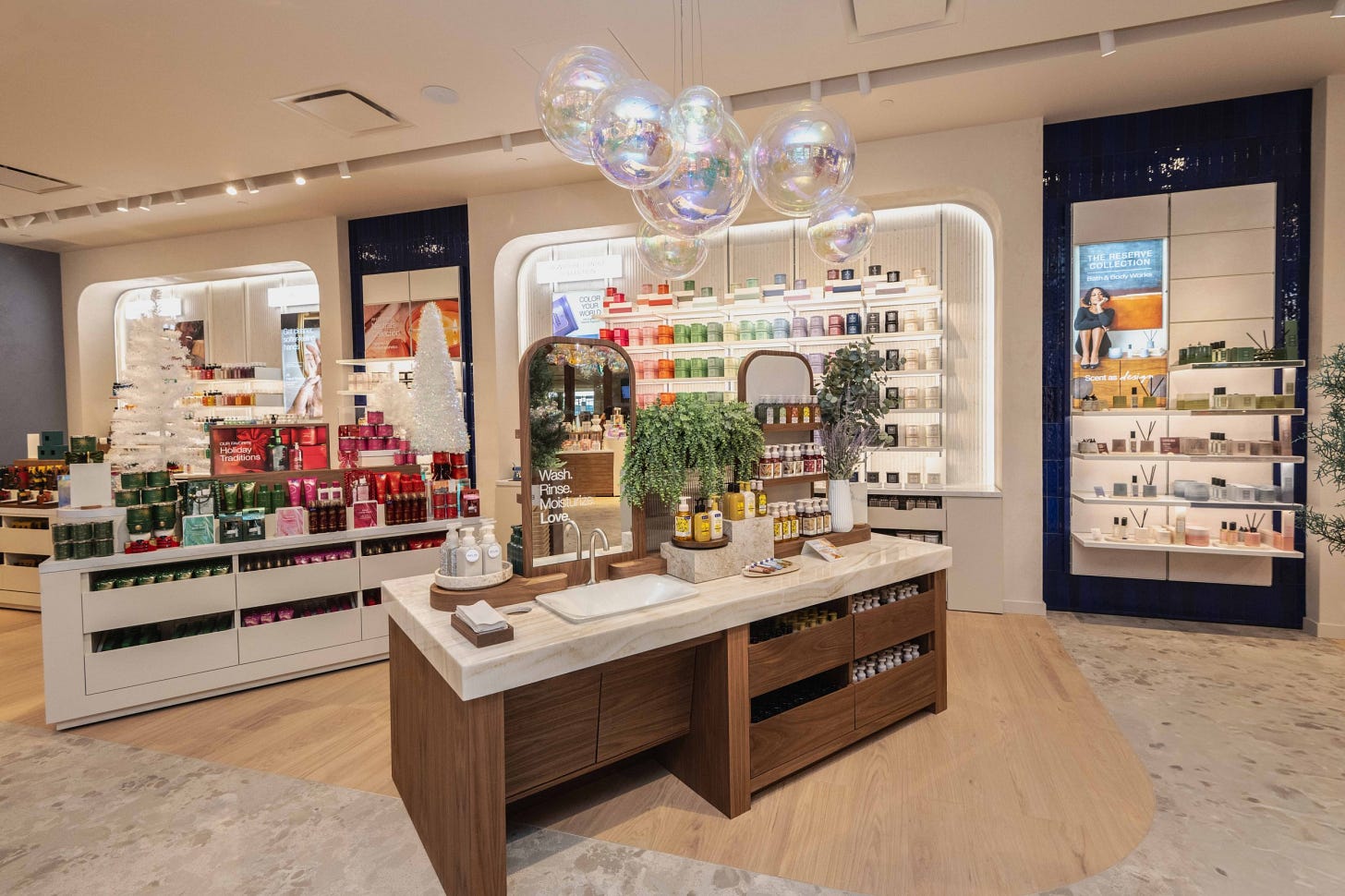
What is inside: an Eau de Parfum bar, a lip-and-blend station, demo sinks and a digital quiz that matches shoppers with scents—a fully discovery-focused experience centered around scent. This is all part of the brand’s Consumer First Formula turnaround plan.
B&BW seems to be trying everything to get back on top, from the Hype Lab fragrance drops we covered last week to expanding beyond its own stores into Ulta and Amazon.
Funding, Mergers, and Acquisitions
The Goodles deal is closed. A few weeks ago, we learned about the Goodles acquisition by Barilla, and just about everyone in CPG had something to say about it (LinkedIn feeds ran wild with noodle theories). Now, the acquisition has officially closed, and the numbers behind the deal were revealed: Barilla bought Goodles for $750 million in an all-cash deal—over 4x Goodles’s revenue and 10x the brand’s $75 million valuation from three years ago.
At the time of the acquisition announcement, we compared it to the other major deal that happened around the same time: Purely Elizabeth’s acquisition by Ferrero. Little did we know, they were actually quite similar deals. Ferrero paid a reported $850M for Purely Elizabeth, roughly 4x its revenue, and both deals keep the founder in charge and the brand standalone. Where they differ, though, is that Purely Elizabeth has been around for 17 years… while Goodles is the new kid on the block, just 6 years old.
Goodles was delivering higher dollar velocities than Kraft and Annie’s less than three years after launch, it turned its first profit in 2024, and it’s been cited for some of the highest repeat-purchase metrics in CPG. Founder Zeszut says 92% of the US still hasn’t tried Goodles yet, which is the growth that Barilla is really betting on here.
The bet that TikTok fame can outlast the algorithm. POV Beauty, Mikayla Nogueira’s skin-prep brand, raised $15M in a Series A led by Silas Capital, with RÉDO Capital and Imaginary Ventures participating. The brand entered Sephora six weeks prior and beat first-week sales projections by 80%.
What makes this one different from the long list of creator brands that fizzled is who’s running it. Nogueira brings the audience (around 21 million followers across TikTok and Instagram), but her co-founder and CEO, Ani Hadjinian, was previously GM of North America at Augustinus Bader. Creator plus seasoned operator is the combo that tends to survive after the launch buzz fades. Nogueira also has real floor experience: she worked at Ulta before going full-time on social in 2020.
Stevia soda may be struggling. Zevia raised $20 million in convertible preferred equity from GP Investments—the firm founded by the entrepreneurs behind ABInBev and 3G. Last year, Zevia hired bankers to (likely) explore a sale… so landing here indicates that there wasn’t much interest, or at least not at the price Zevia was hoping for. The terms of the deal are also favorable for GP, and they’re now taking on a “strategic reset” including exploring adjacent categories and attempting a single-can strategy (as opposed to its typical multipack strategy).
The truth between the lines is that Zevia stabilized after two years of cuts, couldn’t get a buyer, and brought in a disciplined minority partner to fund a push into the territory the newer functional soda brands have been winning.
While you could look at this and solely blame the new soda entrants that are taking market share, or the new appetite for function, I (Jenna) think there’s more at play here. Namely, I’m most curious about how shifting sweetener preferences impacted the perception of Zevia’s hero ingredient, stevia. Stevia was a peak-2010s sweetener, flexed as “natural” as opposed to its artificial counterparts, but consumers are now opting for lower-sugar (but real sugar) options instead.
And in other, (kids) soda news: Roxberry, a kid-positioned coconut water–based sparkling drink brand made with real fruits and veggies, backed by Foxtrot founder Mike LaVitola, has raised $4 million of a $5 million open offering, with Habitat Partners and Red Hots Capital among investors. In January, it became the first kids’ beverage in Walmart’s modern soda aisle, across 2,200 stores, and it has since added H-E-B.
For every better-for-you product made for adults, there must be an equal (yet smaller) version for the kiddos. The brand’s own survey of 4,000 modern soda shoppers found nearly 60% were looking for a kid-friendly option!!
Betting on flavor. Dan-O’s Seasoning Co. has secured $25 million from private-equity firm The Newcastle Network to fund new formats and expand the brand’s retail and online availability. The Louisville-based seasoning company, founded by Dan Oliver in 2015, is now sold in more than 22,000 U.S. retailers, with Oliver and CEO Phillip Crosby continuing to lead the business.
This is the second massive PE fundraise by a seasoning brand in the last two weeks, with last week seeing EZ Bombs (shelf-stable Mexican seasoning bombs) raise $25 million from CAVU Consumer Partners. Clearly, investors still see room for scaled growth in differentiated pantry brands.
The pretty bandage company gets a new owner. Forward Consumer Partners is acquiring Welly, the colorful bandage and first-aid brand, from Unilever. Founder Eric Ryan will return as an advisor and board member. This is Forward’s first consumer health investment.
Forward is a 3-year-old firm run by Matt Leeds, who spent years at L Catterton before starting his own thing. Its portfolio includes Kodiak, Firehook, Xochitl, and Bar Keepers Friend. And Welly isn’t its first Big CPG carve-out—they also got a 51% stake in Justin’s from Hormel Foods. The firm raised $425M for its first fund in 2023 and already closed a $500M second fund in March, and is writing checks between $25M and $250M for majority stakes in brands. Welly is currently deal number eight.
Big CPG has spent the past few years shedding non-core brands, with the buyers ranging from private equity firms to smaller strategics willing to take on businesses their owners no longer want 😢 To list ‘em off….
Conagra sold Chef Boyardee to Brynwood’s Hometown Food for $600M. Reckitt sold Air Wick and the rest of its Essential Home division to Advent in a $4.8B deal. Danone sold Horizon Organic to Platinum Equity. General Mills sold Yoplait and Go-Gurt to Lactalis and Sodiaal for $2.1B, then handed Muir Glen to a PE-backed buyer in January. Nestlé has been especially active: It moved Perrier and S.Pellegrino into a joint venture with Platinum ($3.4B for half the business), sold Nature’s Bounty, Nuun, Puritan’s Pride, and four other vitamin brands to Yellow Wood Partners for $1B, and is selling what’s left of its ice cream business to Froneri, the joint venture it already co-owns with PAI Partners, after CEO Philipp Navratil called the category a “distraction.” Church & Dwight got itself out of gummy vitamins. Hain Celestial sold Terra and Garden Veggie Snacks to Snackruptors for $115M and then sold its entire international business to PE firm Aurelius for $323M. Colgate-Palmolive is reportedly shopping Softsoap, Irish Spring, and Speed Stick with Goldman for a package that could fetch more than $1B (potentially to Yellow Wood Partners).
Unilever, in particular, seems to have made this a bit of a habit. Welly joined the Unilever family when the company bought a majority stake from Eric Ryan in 2021, and now it’s already heading back out the door, just five years later. Before that, Unilever sold Dollar Shave Club to Nexus Capital in 2023 (while keeping a 35% stake), sold Kate Somerville to Rare Beauty Brands this month after an 18-month turnaround that didn’t take, and shuttered REN outright. In personal care, Unilever sold Suave’s North American business to Yellow Wood Partners, then sold the firm the entire Elida Beauty portfolio, which includes more than 20 brands, including Q-Tips. Yellow Wood later bought ChapStick from Haleon for about $510M and folded it into the Suave business.
The vitamin brand for the whole fam. Paine Schwartz Partners, a ~$6.5B food-and-agribusiness PE firm, announced a strategic investment (amount wasn’t disclosed) in First Day, a clean-label family vitamin and supplement brand that has sold over 500 million gummies since 2019.
First Day has been on a heck of a run. It’s a nine-figure brand, and in late December it made its first-ever retail move, launching nine gummies at Target with a dedicated endcap. Where it stands out from other supplement brands is its distinct focus on customer-specfic products. Founder Alice Li figured out early that mothers wield the most influence over family health, and typically buys for her kids, her teens and herself, which is why First Day frames itself as a whole-family brand—with specific age-based lines for each member of the family—rather than just a kids’ brand.
Paine Schwartz’s CEO credited Li with scaling the brand with “remarkable capital efficiency,” and Li says the goal now is a “defining omnichannel family health brand.”
If you haven’t yet, please subscribe, like, leave a comment, and share! It helps us continue to bring you the most interesting news + nuance in consumer and retail every week.