



Hello hello!
While we sadly were not in attendance at Cannes last week, you best bet we sufficiently stalked all the coverage. And we found that most takeaways circled around the same thesis: creators rule the conversation.
But the reality is, it’s not enough to just “invest in creators”—you need to do so strategically to move the needle. That’s where Grapevine AI comes in.
Grapevine AI‘s Performance Creator and whitelisting capability removes the biggest bottleneck in paid social—authentic creator content at scale. With a curated network of 700+ performance-vetted creators, content that runs through real creator handles, and full-service creative strategy, briefing, and post-production handled for you, Grapevine AI offers the authenticity of a third-party voice, with the control and efficiency of a performance channel.
Brands from SoFi and Microsoft to Prose, Arrae, and Alloy are using Grapevine AI to scale creator content that actually performs. Book a demo in the next 30 days and get $500 off your first creator campaign.
News of the Week
We’re reporting live from the Summer Fancy Food Show in NYC! Last night, we hosted a happy hour after the show on a gorgeous rooftop, and got to see so many familiar faces and new friends :)
To those who came, thank you so much for making the evening truly wonderful. And a special thank you to Wayflyer (best in working capital for brands) for making it happen!!
We’re keeping things short and sweet today so we can focus on scouting the best bites + sips at Fancy Food and, of course, reporting back with our finds next Monday.
CPG & Consumer Goods
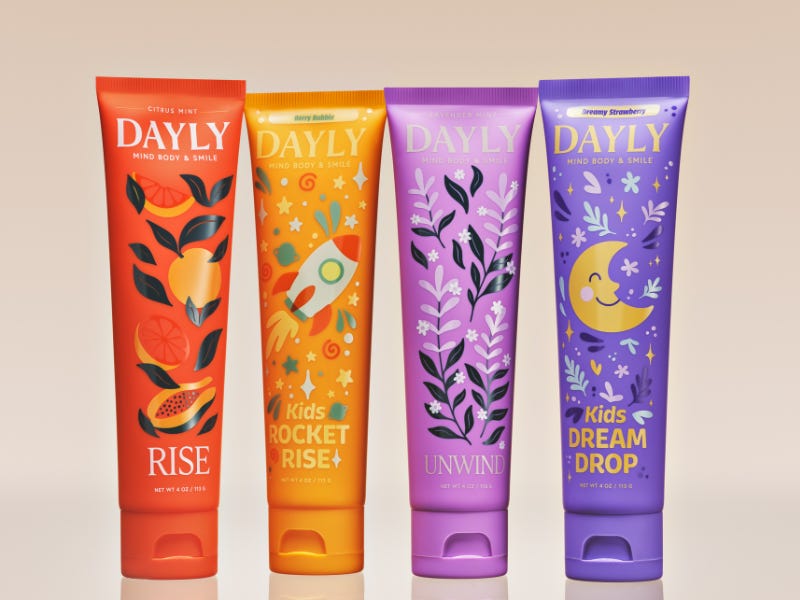
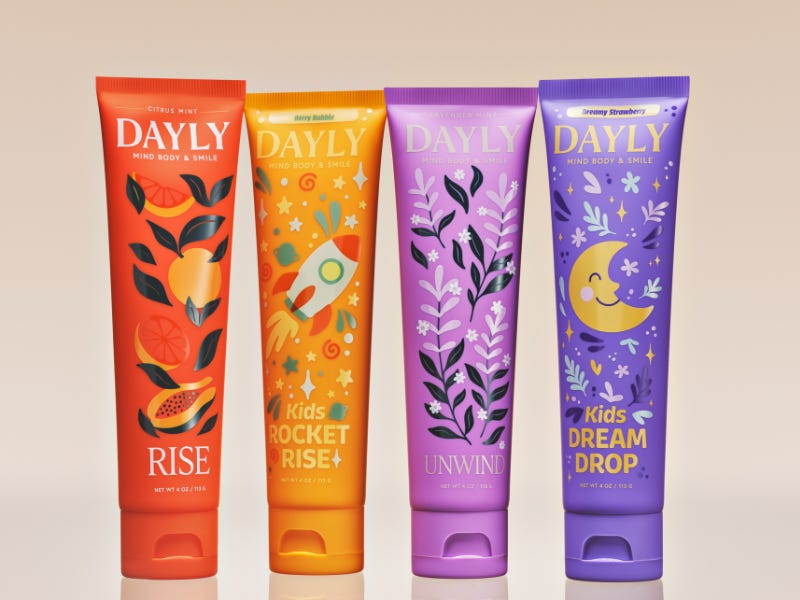
Toothpaste calibrated to the body’s circadian rhythm. DAYLY launched an AM/PM oral wellness toothpaste system (can’t believe we’re saying these words) with four formulas—two for adults, two for kids—blending “up to” 12 vitamins, minerals, and botanicals “calibrated to the body’s circadian rhythm.” A single tube starts at $20.99 on subscription. Leave it to wellness culture to make you feel like even your toothpaste should be optimized to “calibrate to your circadian rhythm” at, quite literally, 6x the cost of a typical tube. 🙃
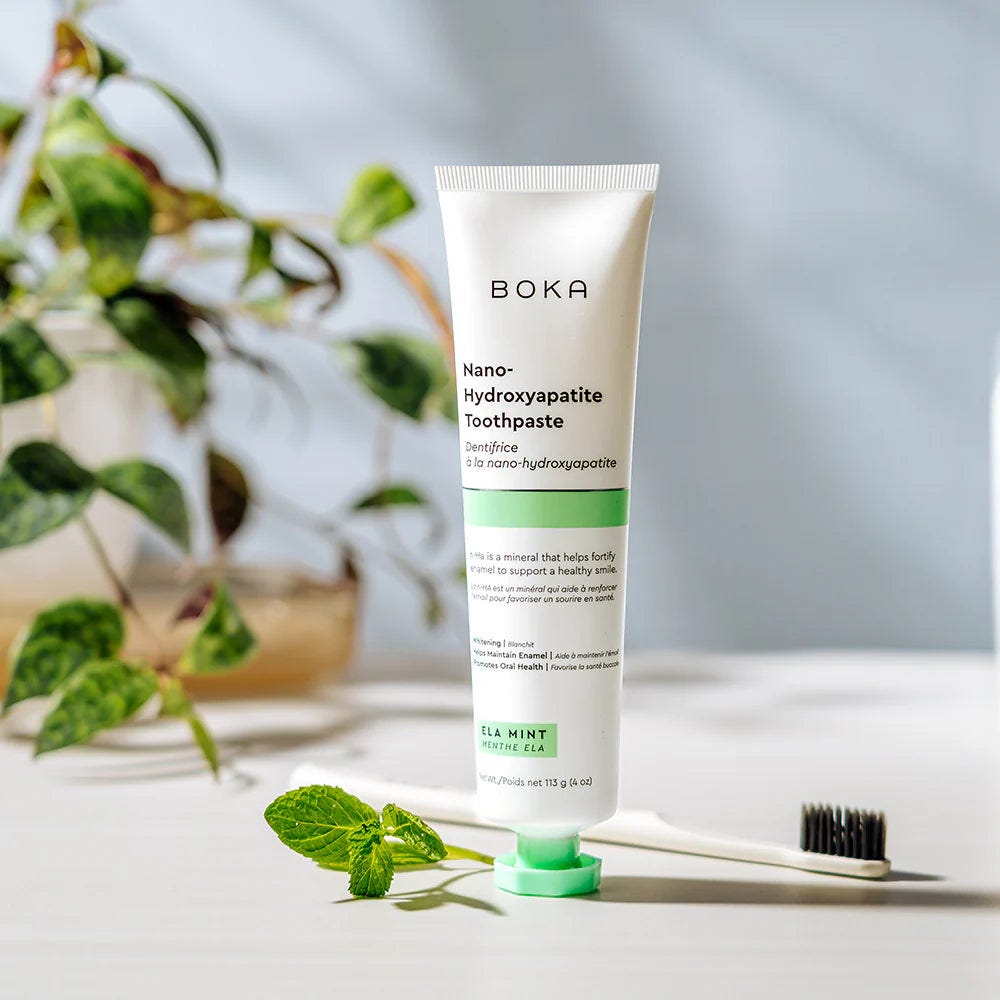
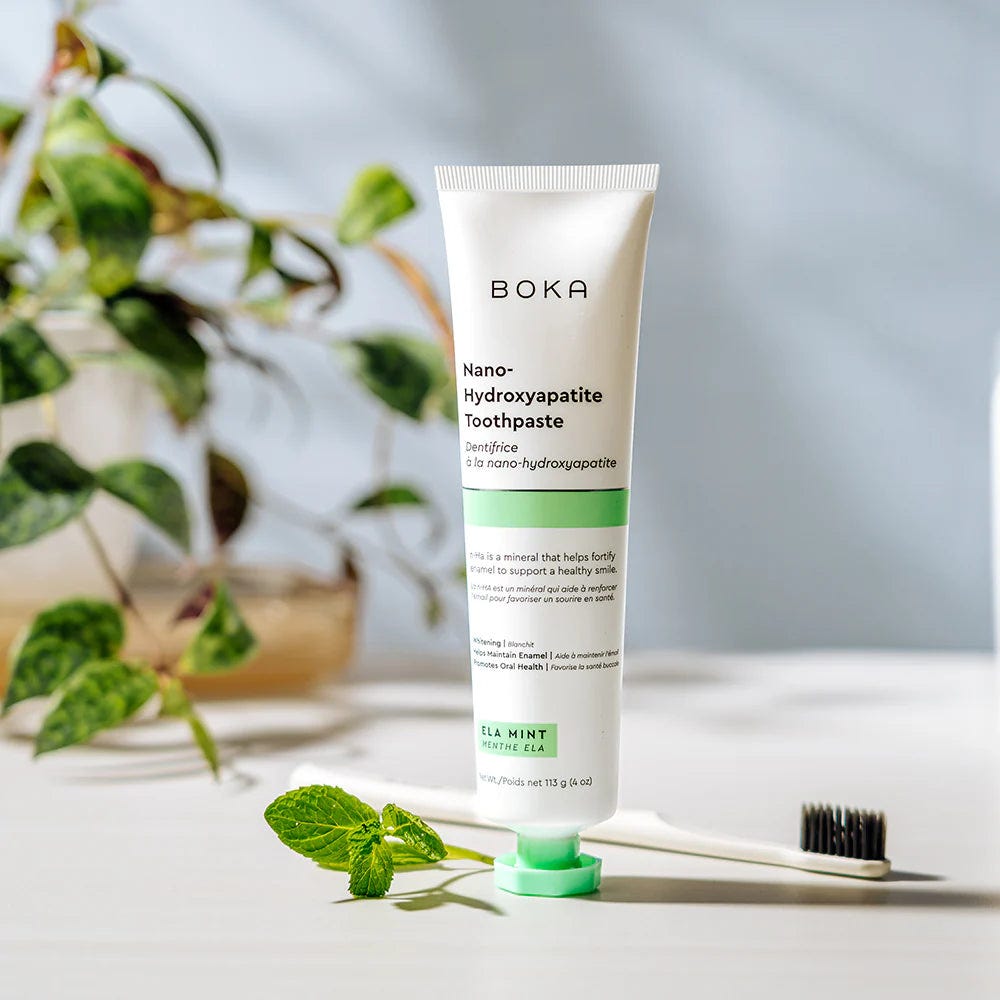
DAYLY is the loud new entrant, but it’s landing in a category that’s been wellnessifying for a few years now—the throughline being fluoride-free formulas built around hydroxyapatite, the mineral that makes up most of tooth enamel, marketed as the “clean” swap for the stuff your dentist recommends (reminder: your dentist probably knows best…). The nano-hydroxyapatite toothpaste market was valued at $422M in 2025 and is projected to reach roughly $1.69B by 2033, a 19% CAGR, and fluoride-free formulas dominate the category.
The demand is downstream of a recent fluoride backlash. RFK Jr. and the MAHA movement have made it a signature issue, with Kennedy directing the CDC to stop recommending community fluoridation on the logic that you already get enough from toothpaste and mouthwash.
Public opinion is genuinely split (a June 2026 Annenberg survey found 43% favor fluoridation and 26% oppose, with MAHA supporters markedly more skeptical), but for a hydroxyapatite brand, a divided public is the whole addressable market—every household talked out of fluoride is a household shopping for the alternative
Boka set the premium, clean toothpaste stage. This Essor-owned brand, which sells tubes for $10-12 (pennies compared to Dayly…), hit a $100M-plus revenue run rate on 4x growth and posted 481% retail growth in 2025. It went from Erewhon shelves to mass: first n-HA brand into Target in March 2025, then all 4,500 Walmart stores by March 2026. It’s also already chasing the next wellness buzzword, having launched a probiotic toothpaste in September 2025.
But, where there’s clean innovation, science always responds: Another new brand is taking a similar bet on probiotics x oral care, but with dentist backing: Evenmouth. Evenmouth, which launched this week, is built around a patented oral probiotic strain. It seems like it’s aiming to do for the mouth what Seed and Pendulum did for gut health—turn an overlooked corner of wellness into a science-backed consumer category. Notably, its dentist founder is openly pro-fluoride and plans a fluoride version, calling out that many brands skip the ingredient partly because the OTC approval cost runs north of $100,000, not purely on the science.
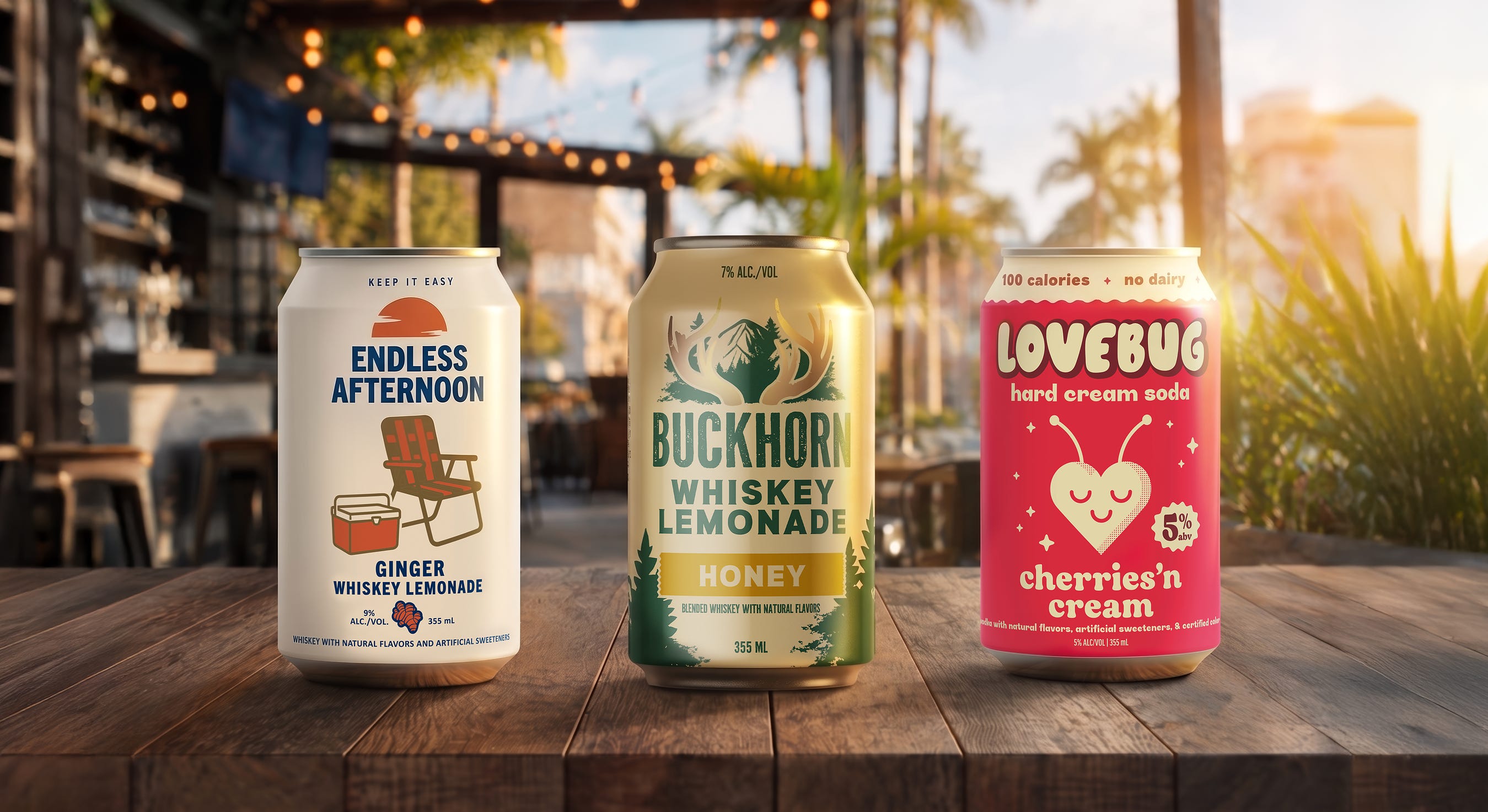
Getting creative with RTDs. Sazerac launched three new RTD brands nationally: Lovebug Hard Cream Soda (the first vodka-based cream soda, 100 calories, 5% ABV), Endless Afternoon Whiskey Lemonade (9% ABV) and Buckhorn Whiskey Lemonade (7% ABV).
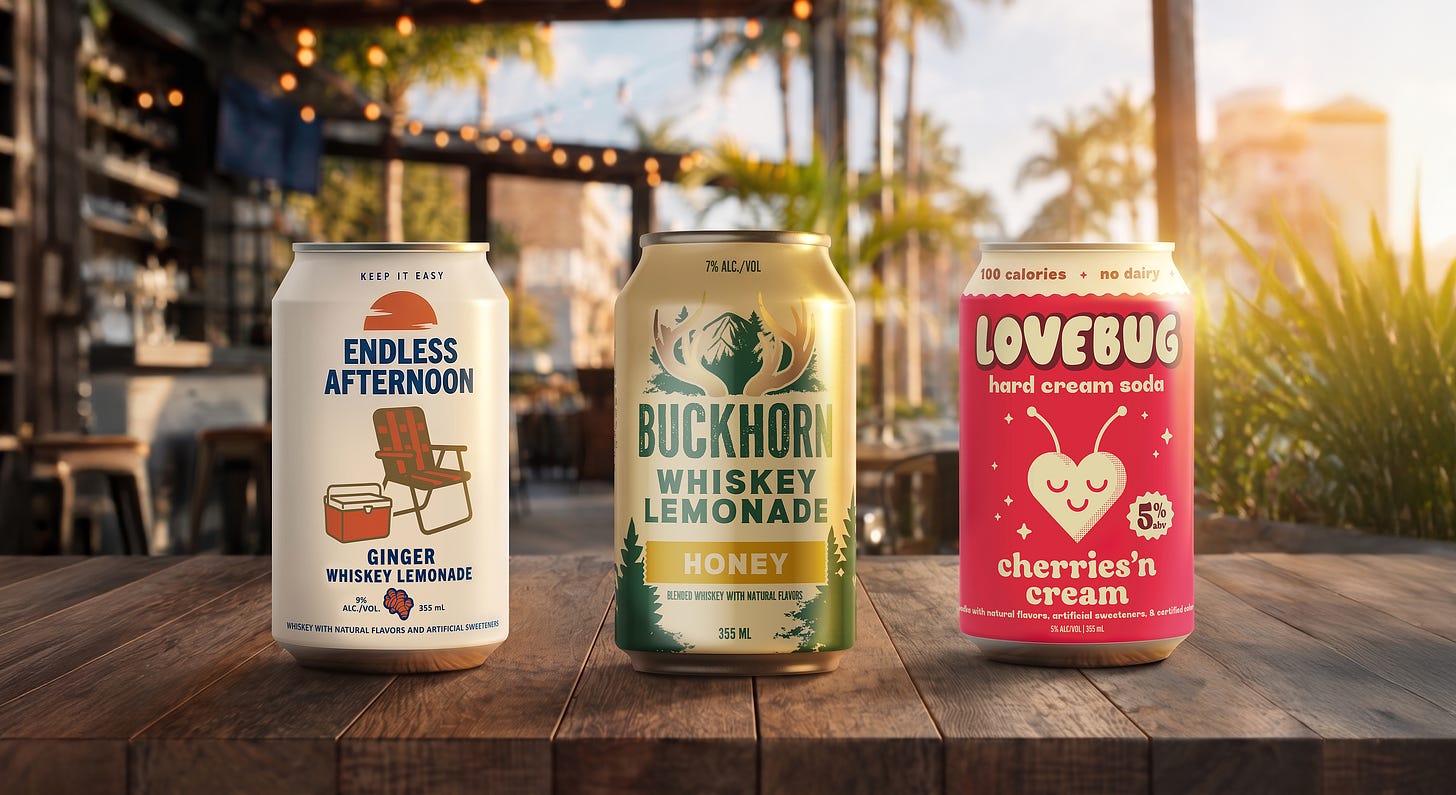
Lovebug giving dirty soda A few weeks ago, we spoke about how brands are leaning into nostalgia—and these launches (especially Lovebug) say it all. Just like the Dirty Shirley trend (Sazerac actually owns the brand Dirty Shirley), these feel like attempts to recreate the flavors we drank as kids before we were allowed to drink, then hand them back to us with an ABV attached. Cream soda, lemonade, the Shirley Temple are all familiar enough to lower the trial barrier in an overcrowded RTD set, and loaded enough with memory that the flavor does the marketing before the can ever explains itself. The bet is that nostalgia converts faster than novelty, especially when the category is this saturated and a shopper has roughly three seconds to decide which cooler door to open.
With these launches, Sazerac is clearly trying to reach a younger consumer. The company acquired BuzzBallz in 2024 and Svedka in early 2025, bought Dirty Shirley in March, and within weeks took stakes in Kendall Jenner’s 818 Tequila and Alix Earle’s RTD brand Sipmargs. These new brands are the in-house complement to all those moves.
Sugar-free waffles. Eggo Waffles launched two new zero-sugar waffles, a first for the Kellogg’s brand in the frozen breakfast aisle. Frozen breakfast has been one of the last comfort categories to dodge the sugar-reduction wave—this is nostalgia indulgence finally getting reformulated for a label-scrutinizing, GLP-1-adjacent shopper.
Soda is safe, for now. A federal judge blocked the USDA from allowing five states to ban sugary drinks and candy from SNAP purchases, ruling the agency lacked the statutory authority to approve the waivers. It’s a major setback for RFK Jr.’s MAHA push to change what SNAP beneficiaries can use their benefits for.
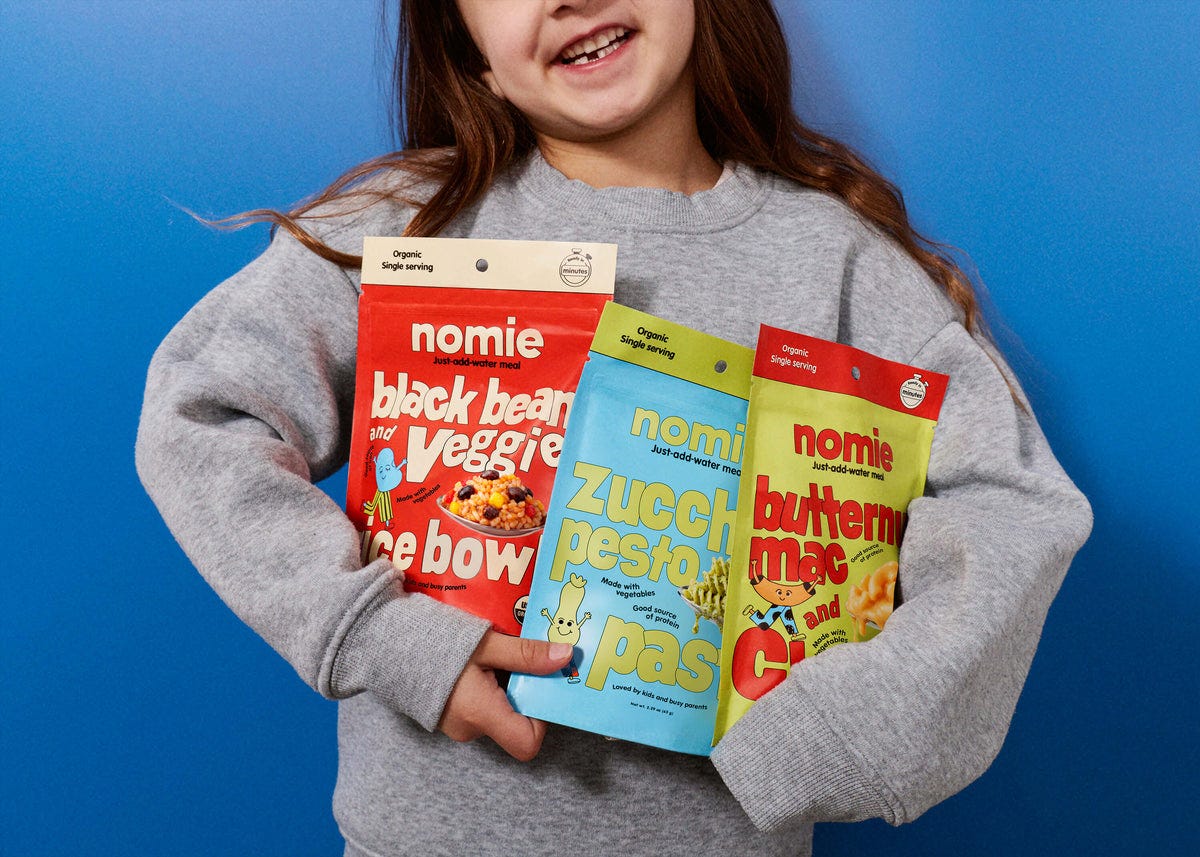
Some real innovation in the kids aisle. Nomie launched just-add-water, shelf-stable organic meals for kids ages 2–6—three SKUs including Butternut Mac & Cheese, Zucchini Pesto Pasta, and Black Bean & Veggie Rice.
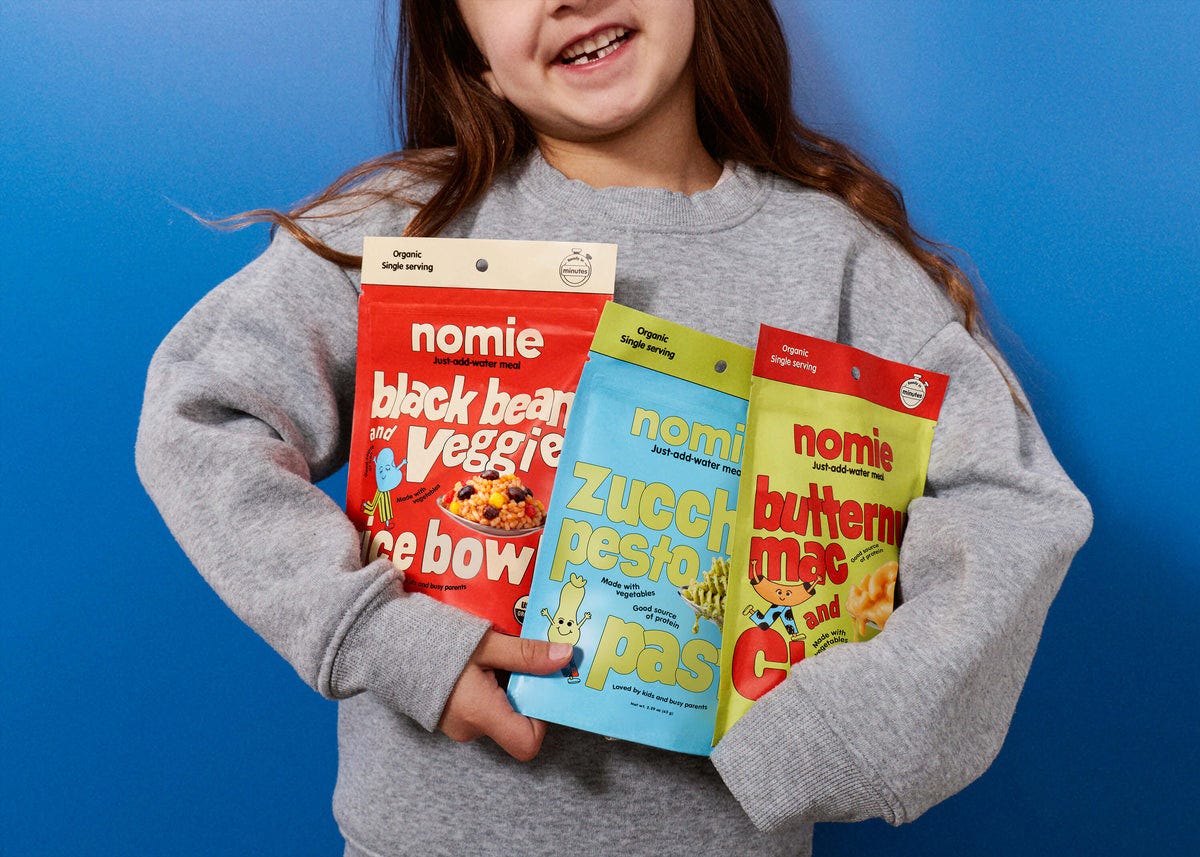
Last week, we spoke about the new lunchbox—the better-for-you launches centering around school-aged kids—and Nomie fits right within that. We tried Nomie at the Winter Fancy Faire show in January, and totally fell in love with the products and genuine innovation! It’s bonkers that these freeze-dried meals are ready in <10 minutes with just hot water—they taste totally fresh and are made with wildly clean ingredients (non-UPF verified; no preservatives).
While these are technically for kids, they offer more elevated flavor profiles that anyone could love. These would be fabulous to have on-hand for hiking adventures or even as a quick office snack!
The punter finds his PB&J. Pat McAfee, famed sports analyst and former punter, joined JAMS as co-owner in his first food and beverage venture, taking a hands-on stake in the clean frozen PB&J brand—10g of protein, no seed oils or HFCS—which is already in Walmart and Target nationwide.
This news comes off of JAMS’s recently-announced partnership with NFL Players Inc to create the first PB&J developed directly with active NFL players. Clearly, the Pat McAfee of it all played a role in this partnership.
From sweets to savory snacking. Tara Bosch, founder of SmartSweets (exited the brand for $360 million in 2020), launched Snackish, a self-funded, fully female-led chip brand hitting Target shelves nationwide in the US, in five traditional chip flavors.
Snackish’s “shtick” is using the entire potato. The chips are made with potato protein (a complete protein!), avocado oil, cassava fiber, and potato starch for a boost of 3g fiber, 8g protein per serving.
We interviewed Tara about the Snackish launch, and will be sharing it in an upcoming episode of The Curious Consumer! Stay tuned 👀
Retail
Gotta save the brand somehow. Bath & Body Works is launching in more than 600 Ulta Beauty stores and Ulta.com in July, with a curated assortment of body care and home fragrance.
For years, if you wanted B&BW, you had one option: a trip to the mall. It wasn’t a destination, it was THE destination. But, despite malls having a resurgence, today’s teens are looking for beauty brands elsewhere—and B&BW knows it. Its first big move came last year when the brand launched on Amazon—and quickly hit hurdles with resellers selling their products and hurting their brand image, costing tens of millions. The upside of that disaster? Those sales indicated that consumers still want B&BW, just in the places they already shop—enter: Ulta.
Funding
Haircare continues to boom. L Catterton invested a significant minority stake in Rōz, the celebrity hairstylist-founded haircare brand projected to quadruple to $35M in sales this year. Retail sales are up 136% YoY with its hero product Milk Hair Serum selling every three minutes.
Rōz fits a thesis L Catterton has been building all year: founder-as-expert. The firm explicitly framed this as a continuation of its Remedy investment (dermatologist Muneeb Shah), a bet that brands rooted in founder authority hold a durable competitive advantage. Rōz’s edge is its founder, celebrity hairstylist Mara Roszak—the expertise is the moat.
The firm also has a track record of buying haircare and flipping it to strategics. L Catterton previously sold Frédéric Fekkai to P&G and Nutrafol to Unilever, and the comps for where Rōz could land are already on the board—Briogeo to Wella, Ouai to P&G, K18 and Living Proof both to Unilever. The Sephora relationship feels like it’s setting the stage for that same exit.
Big pharma wants your supplements. Haleon, a British multinational consumer healthcare company (portfolio includes Advil, Theraflu, TUMS, Emergen-C, and more) has reportedly bid for Thorne, the dietary supplements brand L Catterton acquired for $680 million in 2023, now valued at up to $4 billion, as Haleon targets the $70 billion US supplements market. Meanwhile, sources are saying that Unilever ultimately did not bid for the company (after exploring bids).
Paying 6x in under three years shows something big about strategics: they’re looking at supplements as a core part of their consumer-health infrastructure—just look at Unilever’s bets on Liquid IV, Olly, Smartypants, Nutrafol, and Gruns.
It’s interesting to see Haleon in particular consider Thorne, which would be a highly premium (by comparison) addition to its existing portfolio. Unlike Centrum or Emergen-C (current Haleon portcos), Thorne is known more in the modern biohacking sphere and sits at a premium price point.
Growing the cult. Coconut Cult, a better-for-you and, indeed, cult-favorite probiotic coconut yogurt brand, secured $12.5 million in equipment financing from Dallas-based Bridge Finance Group, a private credit firm focusing on high-growth CPG companies. The funding will help transition production nearly 5x from its current 55,000-square-foot facility in Ogden, Utah, to a new 300,000-square-foot facility.
Led by CEO Ari Raz since 2021, Coconut Cult has grown 142% in 2025 and is projected to hit 90% growth in 2026. What started as a small-batch operation shared among friends in 2015 has expanded nationally across high end retailers like Erewhon to Whole Foods and Target.
Giving investors a sneak peek. FirstLook VC, a subscription box for investors, has just passed $26.6 Million in deployed capital across 103 investments and 65 brands.
Think of FirstLook like Shark Tank in a box! Subscribers are investors and brands raising go in the box! Brands like Beatbox (acquired), Coconut Cult (learn more about their success above), Final Boss Sour, Slate, IQBar, and Snif have raised through the box.
The Nütrl playbook moves to tequila. Paul and Melissa Meehan invested in Los Sundays through their platform Me&Brands, leading the brand’s Canadian launch and a 100-calorie RTD Tequila Soda for 2026. Los Sundays grew 125% YoY and ranks 19th among the fastest-growing US tequila brands.
BFY snacking wins. Functional snack brand Rivalz raised a $5M Series A led by The March Group to launch a new Puff line. The round was backed by former Mars executives who co-founded both Rivalz and the lead investor.
Like Snackish, mentioned above, Rivalz is one of the countless brands taking nostalgic and iconic products but adding tons of protein and fiber better ingredients. We’re very curious to see where they go with this new Puff line as there are an ungodly amount of puffed better-for-you snacks on the market.
If you haven’t yet, please subscribe, like, leave a comment, and share it! It helps us continue to bring you the most interesting news + nuance in consumer and retail every week.
Thank you for writing about Evenmouth! Will note it is also the cleanest formulation from the other toothpaste brands you mentioned with a Yuka score of 100/100. We believe you shouldn’t have to choose between clean and clinically proven ingredients, especially in oral care. We hope you get a chance to try!