



Hello hello!
I (Nate) just got back from a few days in Denver, Colorado at Newtopia Now. Yet another food and beverage trade show that we of course had to attend. It’s always a good time when you get to try a bunch of new CPG products with your friends.
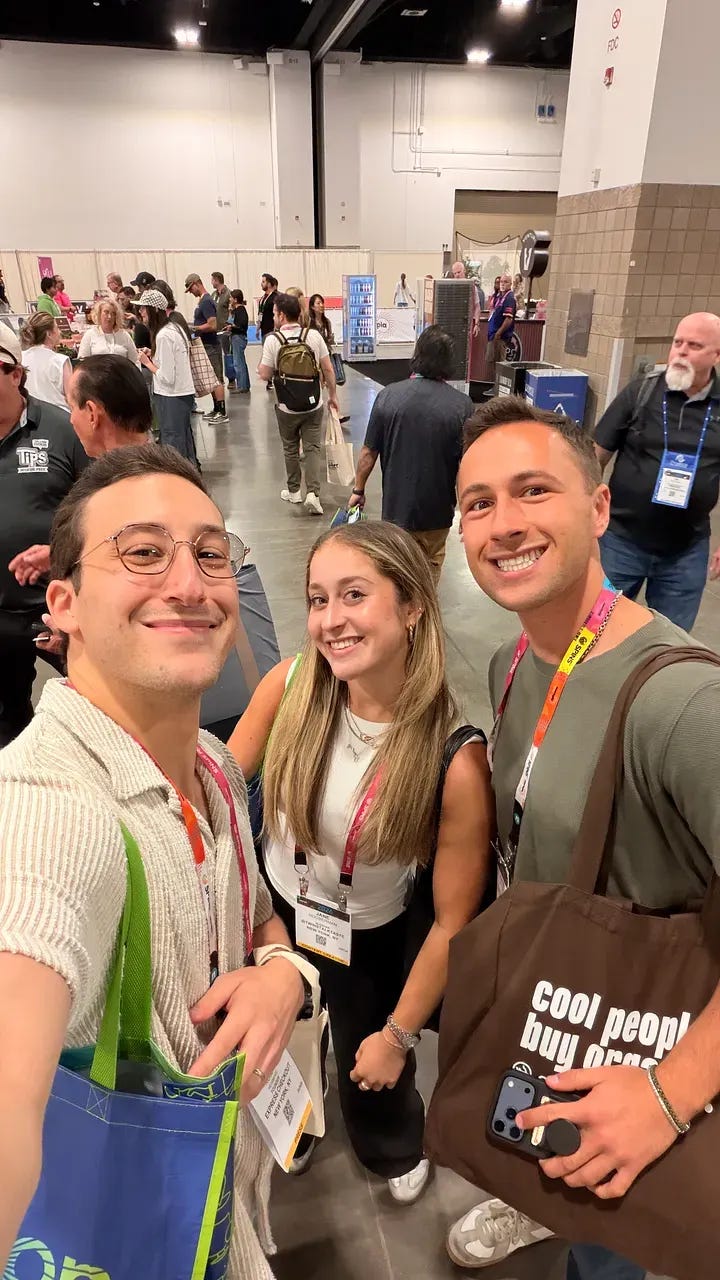
Make sure you’re subscribed because we will be putting out our thoughts on the show, our favorite bites and sips, in our newsletter on Monday. So stay tuned for that!


Now, let’s get into our picks of the week →
Nate’s Pickup:
PopSips
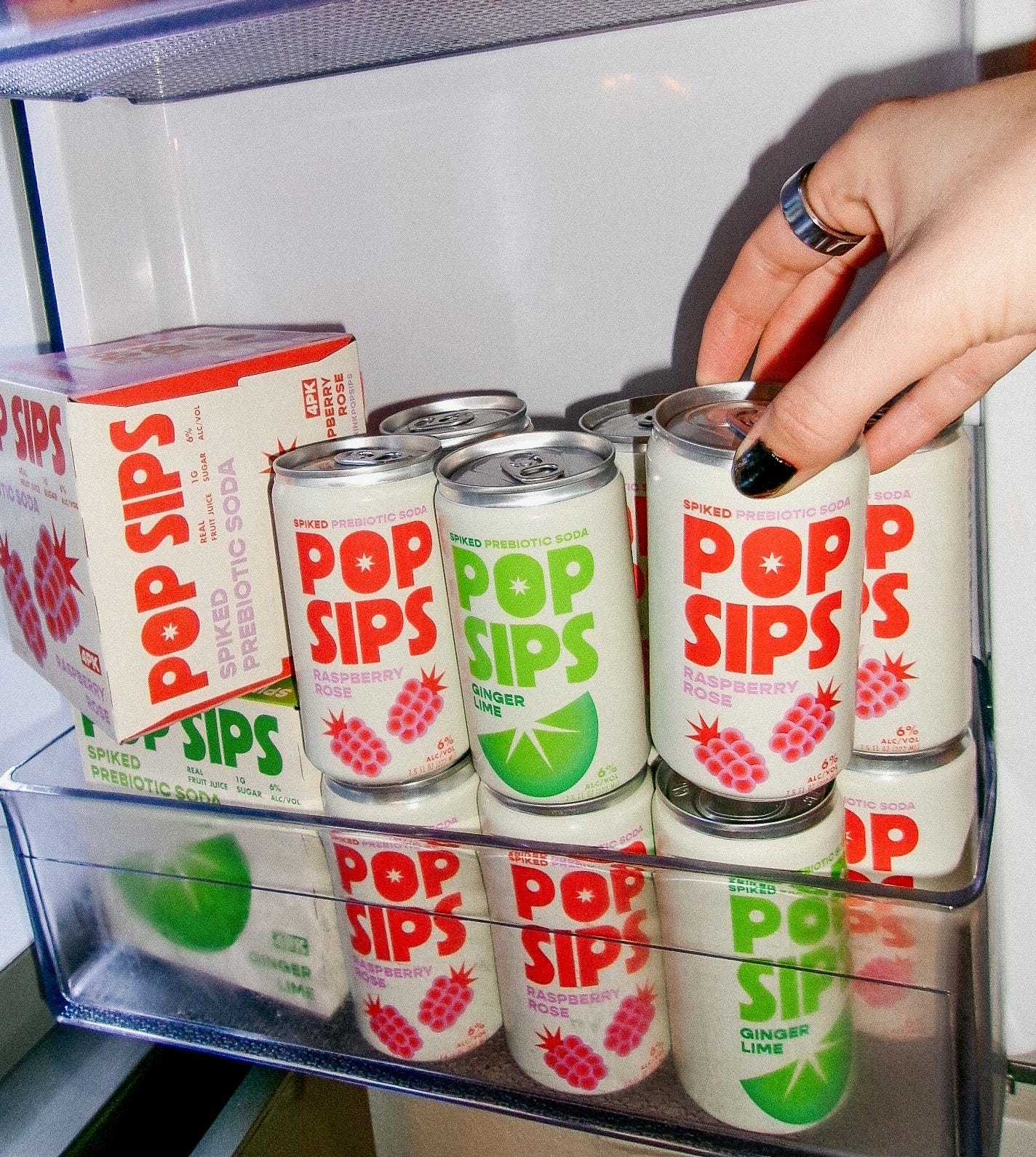
Prebiotic soda should not sound unfamiliar to you at this point in the year of our Lord 2026. Almost every new beverage brand is some version of a prebiotic soda. Thank you Poppi and Olipop for starting that trend but this trend has trickled down into the alcohol space. Now does this actually make me want to buy a product more or less? Not at all but it is a fun premise for the health-conscious consumer. Of course I was a little skeptical when I first saw these come up on my feed. I think I first saw PopSips on TikTok, where they are absolutely crushing it, but I was intrigued. Spiked soda is a very interesting concept. And that interesting concept is absolutely delicious and I am excited to share these with the world.
Quick Facts: A brand of spike prebiotics sodas made with alcohol from fermented cane sugar, real fruit juice, apple cider vinegar, and plant based fiber. Each 7.5 oz can has 90 calories, 1g of sugar, and 2g of plant based fiber from chicory root. Comes in flavors such as Ginger Lime, Raspberry Rose, Strawberry Lemon, and Berry.
Reasons to love:
Damn good flavors. If you were around for the White Claw era of canned boozy beverages, you know that taste and nailing flavor was very hard. Luckily since then there’s been a lot of really good beverages coming out that actually land on flavor that don’t taste boozy and that don’t taste fake. These drinks are extremely fruit-forward. They’re bold and don’t taste really boozy at all. I mean look at these flavors: Raspberry Rose, Berry, strawberry lemonade, and ginger lime. I think my favorite one was the BERO one, which leans very blueberry flavored, which I’m a huge fan of. And it’s because they use real fruit juice instead of anything artificial or fake.
The right size. I really just love the short can. It makes it easier to get through and a little bit more sessionable for those nights you want just a little bit more 👀. 7.5 oz is really nice, just how I want my energy drink. I actually think I want a lot of my RTDs in this size.
This is also why I’m a huge fan of Goldilocks as they’re around 8 oz as well. (I wrote about them here)
Great marketers. Now this isn’t exactly about the product itself but I am very impressed with the way this team has marketed and brought this product to life. An alcoholic beverage, more often than not, should be so much fun and I think that this brand exudes fun. The founders are out on TikTok generating really good fresh organic content. And one of their series is the founder going around putting together PR packages and even asking if non-influencers want PR packages, which I just think is such a fun, smart way to engage a community of people in a unique and different way.
This video from co-founder Andy Kooks crushed it!
Where to buy: Online and in select retailers nationwide (including Target!!)
Jenna’s Pickup:
Muracha - Yame No. 89 Matcha
Since matcha became popularized in the US ~5 years ago, I’ve had some royally bad matcha lattes. I’ve dropped $10+ on a grayish-green, sickly-looking bev; choked through grassy, bitter clumps; and even tried to make my own, slaving over the right technique but—unbeknownst to me—using a powder that leaves me with a brownish, astringent liquid with a metallic aftertaste. Nasty.
Matcha’s Western boom has been exciting in many ways, but largely disappointing in others. In a classic American fashion, we took another culture’s sacred sips and overproduced it to slop. But Muracha, a new matcha brand by two sisters living in Atlanta and Nashville, returned my faith in the sanctity of matcha and gave me the confidence to make it at home.
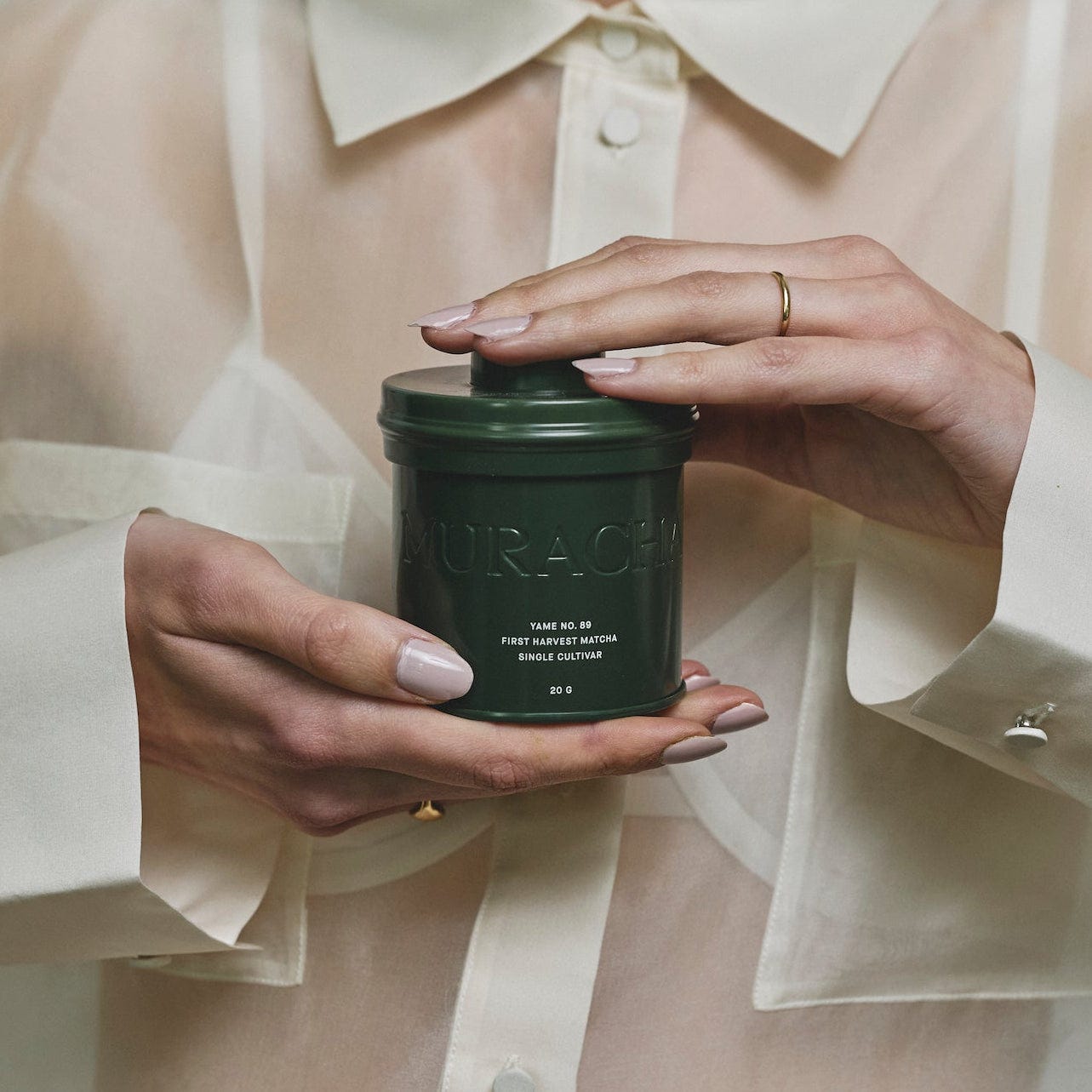
Quick Facts: First-harvest (we’ll get into that) single cultivar (as in, only comes from one specific plant) matcha from a family-run tea farm in Yame, Japan. The name is an homage to the place and its people; the woman behind Yame 89 began working in the fields at 19 and still oversees each harvest at 89 years old.
Reasons to love:
Robust, intricate flavor and insane quality. This is the kind of matcha I thought I could only get at an authentically Japanese matcha spot (my local one in Princeton is called Ooika, and it’s fabulous). Now, I have it in my very own kitchen. It is the brightest, most inviting green color (thanks to its shade-grown origins) and has a robust flavor—notes of cocoa, toasty/nutty grain and a soft creaminess and sweetness. It isn’t bitter, but it offers that complexity of flavor through a mild umami finish. I’ve loved making mine with Strange Water, which I recently shared on our podcast. Strange Water is my fave coconut water brand, and its natural sweetness and nuttiness pairs beautifully with the bright matcha. I’m usually only into matcha lattes, but this brand is such high-quality that there’s no milk required IMO.
Transparency + education. If you’re into matcha, there’s a large chance you’ve seen the term “ceremonial grade,” and perhaps even made a purchase decision based on its presence. But as it turns out, that term is kinda… meaningless.
As the Muracha site thoughtfully explains: “Ceremonial grade” … is not an official or regulated standard in Japan or the United States. Because there is no governing definition, the phrase can appear on a wide range of matcha, from truly exceptional powders to lower-quality blends with added sugar and flavors.”
What you should look for instead is “first harvest,” which refers to the earliest picking of the tea season, after the tea bushes were shaded for a month—a process that makes for a greener color, increased L-theanine, and “softer” texture and flavor (none of that weird fishy flavor).
STUNNING packaging. Everything about this brand has been thoroughly considered, from the product itself to the tin it comes in. This is the kind of packaging you absolutely want to leave out on your counter—a beautiful, deep green tin with a playful lid and imprinted logo. The brand also makes tools (a hand-carved whisk and Chashaku, the spoon used to measure matcha) that are equally intricate and gorgeous, with this hand-crafted quality that makes any home feel a little more welcoming.
Where to buy: Online
Jenna!! Thank you so much for your kind words about Muracha. It truly means the world to us.
I'm so glad Muracha was a hit for you, Jenna!